

Liquidity mining is a process where cryptocurrency holders lend their assets to a liquidity pool, providing the necessary funds for traders to buy and sell on a platform. This process has become increasingly popular, with platforms like Uniswap and Aave offering lucrative rewards to liquidity providers. As of 2026, the total value locked in liquidity mining protocols has exceeded $10 billion.
The concept of liquidity mining is straightforward: by providing liquidity to a platform, users can earn a percentage of the trading fees generated by that platform. This creates a win-win situation, where the platform benefits from increased liquidity and the users benefit from the rewards.
What is Liquidity Mining?
Liquidity mining is a type of yield farming that involves providing liquidity to a decentralized exchange (DEX) or a lending protocol. The goal is to create a pool of funds that can be used to facilitate trades, loans, or other financial activities. In return, liquidity providers receive a portion of the fees generated by the platform, as well as any interest or rewards that may be available.
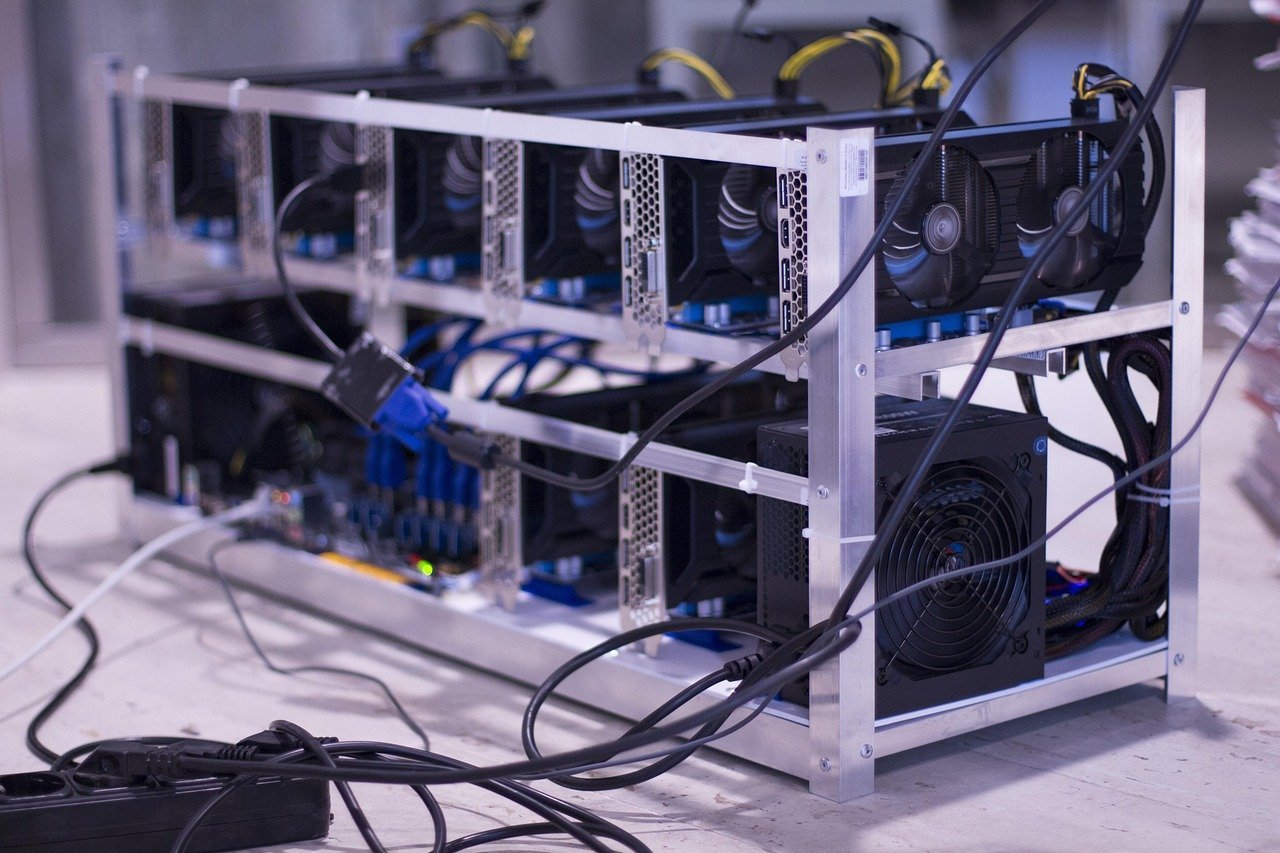
Types of Liquidity Mining
There are several types of liquidity mining, including:
- Market making: providing liquidity to a DEX or other trading platform
- Lending: providing loans to borrowers through a lending protocol
- Yield farming: providing liquidity to a yield-bearing asset, such as a stablecoin or a tokenized bond
How Does Liquidity Mining Work?
The process of liquidity mining typically involves the following steps:

- A user deposits their cryptocurrency into a liquidity pool
- The pool is used to facilitate trades, loans, or other financial activities on the platform
- The user earns a percentage of the fees generated by the platform, as well as any interest or rewards that may be available
For example, a user may deposit $10,000 worth of Ethereum into a liquidity pool on Uniswap. The pool is then used to facilitate trades on the platform, and the user earns a percentage of the trading fees generated by those trades.
Benefits of Liquidity Mining
Liquidity mining offers several benefits to users, including:

- Potential for high returns: liquidity mining can generate significant returns, especially in comparison to traditional savings accounts or investments
- Diversification: liquidity mining allows users to diversify their portfolios by providing exposure to different assets and markets
- Passive income: liquidity mining can provide a source of passive income, as users can earn rewards and interest without actively trading or managing their assets
Liquidity mining has become a key component of the DeFi ecosystem, providing a way for users to generate returns and support the growth of decentralized finance.
Risks and Challenges of Liquidity Mining
While liquidity mining can be a lucrative opportunity, it also comes with several risks and challenges, including:
- Market volatility: the value of the assets in the liquidity pool can fluctuate rapidly, resulting in potential losses for the user
- Smart contract risk: the smart contracts that govern liquidity mining protocols can be vulnerable to errors or exploits, which can result in the loss of funds
- Regulatory uncertainty: the regulatory environment for liquidity mining is still evolving, and changes in regulations or laws can impact the viability of liquidity mining protocols
Liquidity Mining Platforms
There are several liquidity mining platforms available, each with its own unique features and benefits. Some of the most popular platforms include:
| Platform | Assets Supported | Rewards |
|---|---|---|
| Uniswap | Ethereum, ERC-20 tokens | UNI tokens, trading fees |
| Aave | Ethereum, ERC-20 tokens | AAVE tokens, interest |
| Curve | Stablecoins, DeFi tokens | CRV tokens, trading fees |
For example, Uniswap is a popular DEX that allows users to provide liquidity to its platform in exchange for UNI tokens and trading fees. Aave, on the other hand, is a lending protocol that allows users to lend their assets to borrowers in exchange for AAVE tokens and interest.
Liquidity Mining Strategies
There are several strategies that users can employ to maximize their returns from liquidity mining, including:
- Diversification: spreading investments across multiple assets and platforms to minimize risk
- Concentration: focusing on a single asset or platform to maximize returns
- Active management: actively monitoring and adjusting the portfolio to respond to changes in market conditions
Conclusion
In conclusion, liquidity mining is a powerful tool for generating returns and supporting the growth of decentralized finance. While it comes with several risks and challenges, the potential benefits make it an attractive opportunity for users. By understanding the basics of liquidity mining and employing effective strategies, users can maximize their returns and achieve their financial goals.
Key Takeaways
- Liquidity mining is a process where users provide liquidity to a platform in exchange for rewards and interest
- The process involves depositing assets into a liquidity pool, which is used to facilitate trades, loans, or other financial activities
- Liquidity mining offers several benefits, including potential for high returns, diversification, and passive income
- However, it also comes with several risks and challenges, including market volatility, smart contract risk, and regulatory uncertainty
- Users can employ several strategies to maximize their returns, including diversification, concentration, and active management
Frequently Asked Questions
What is liquidity mining?
Liquidity mining is a process where users provide liquidity to a platform in exchange for rewards and interest.
How does liquidity mining work?
Liquidity mining involves depositing assets into a liquidity pool, which is used to facilitate trades, loans, or other financial activities.
What are the benefits of liquidity mining?
The benefits of liquidity mining include potential for high returns, diversification, and passive income.
What are the risks of liquidity mining?
The risks of liquidity mining include market volatility, smart contract risk, and regulatory uncertainty.
How can I get started with liquidity mining?
To get started with liquidity mining, users can deposit their assets into a liquidity pool on a platform such as Uniswap or Aave.
What are some popular liquidity mining platforms?
Some popular liquidity mining platforms include Uniswap, Aave, and Curve.
For more information on cryptocurrency and blockchain, visit our Bitcoin archives or our Ethereum archives. You can also visit Investopedia for more information on investing and finance.