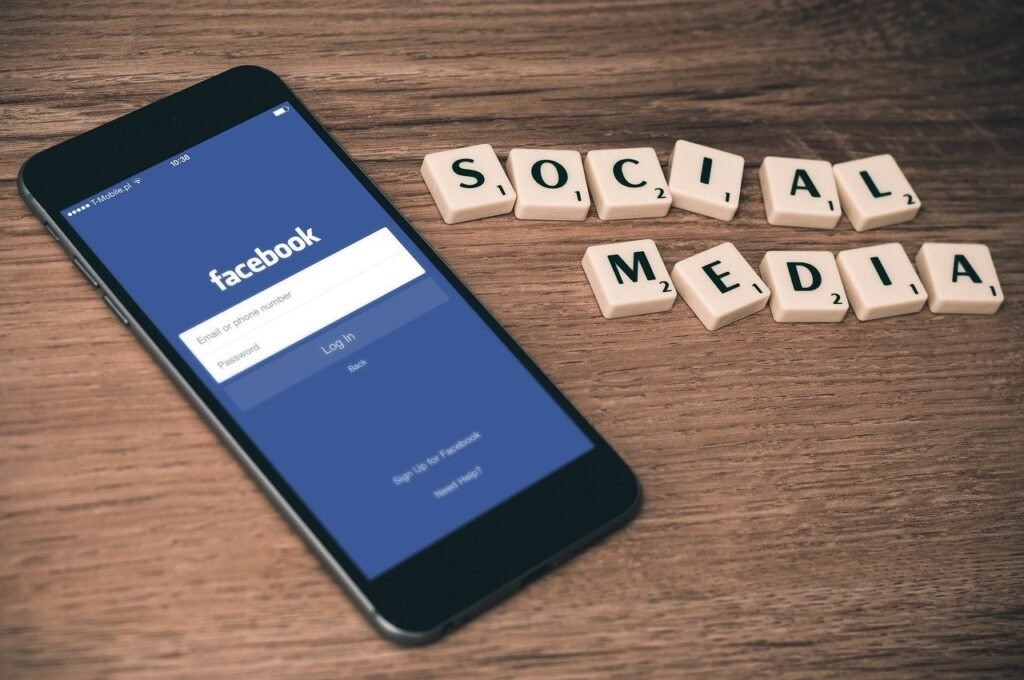
In an era dominated by a handful of tech giants, the concept of decentralized social media offers a radical alternative, promising to put power back into the hands of users. These platforms leverage blockchain technology and Web3 principles to build social networks free from central control, offering unprecedented data privacy, censorship resistance, and true ownership over digital identities and content. This shift is not merely an upgrade; it’s a fundamental reimagining of how we connect and share online.
Traditional social media platforms, while convenient, come with inherent drawbacks, including opaque data monetization, algorithmic manipulation, and vulnerability to censorship. Decentralized alternatives aim to solve these issues by distributing control across a network, ensuring transparency and empowering individuals. Understanding this evolving landscape is crucial for anyone seeking a more equitable and secure digital future.
Key Takeaways
- Decentralized social media platforms operate on blockchain technology, offering users greater control over their data and digital identity.
- They address critical issues of traditional platforms, such as censorship, data privacy concerns, and opaque monetization practices.
- Core technologies include blockchain, distributed ledgers, and tokenomics, enabling true ownership of content and governance.
- Prominent examples like Farcaster and Lens Protocol are leading the charge, building open, interoperable social graphs.
- While challenges like scalability and user experience remain, the long-term vision promises a more equitable and user-centric online interaction model.
What is Decentralized Social Media? Unpacking the Core Concept
Decentralized social media represents a paradigm shift from the centralized models we are accustomed to, like Facebook or X (formerly Twitter). At its heart, it’s about building social networks on decentralized infrastructure, primarily blockchain technology. This means no single entity owns or controls the platform, user data, or content. Instead, power is distributed across a network of participants.
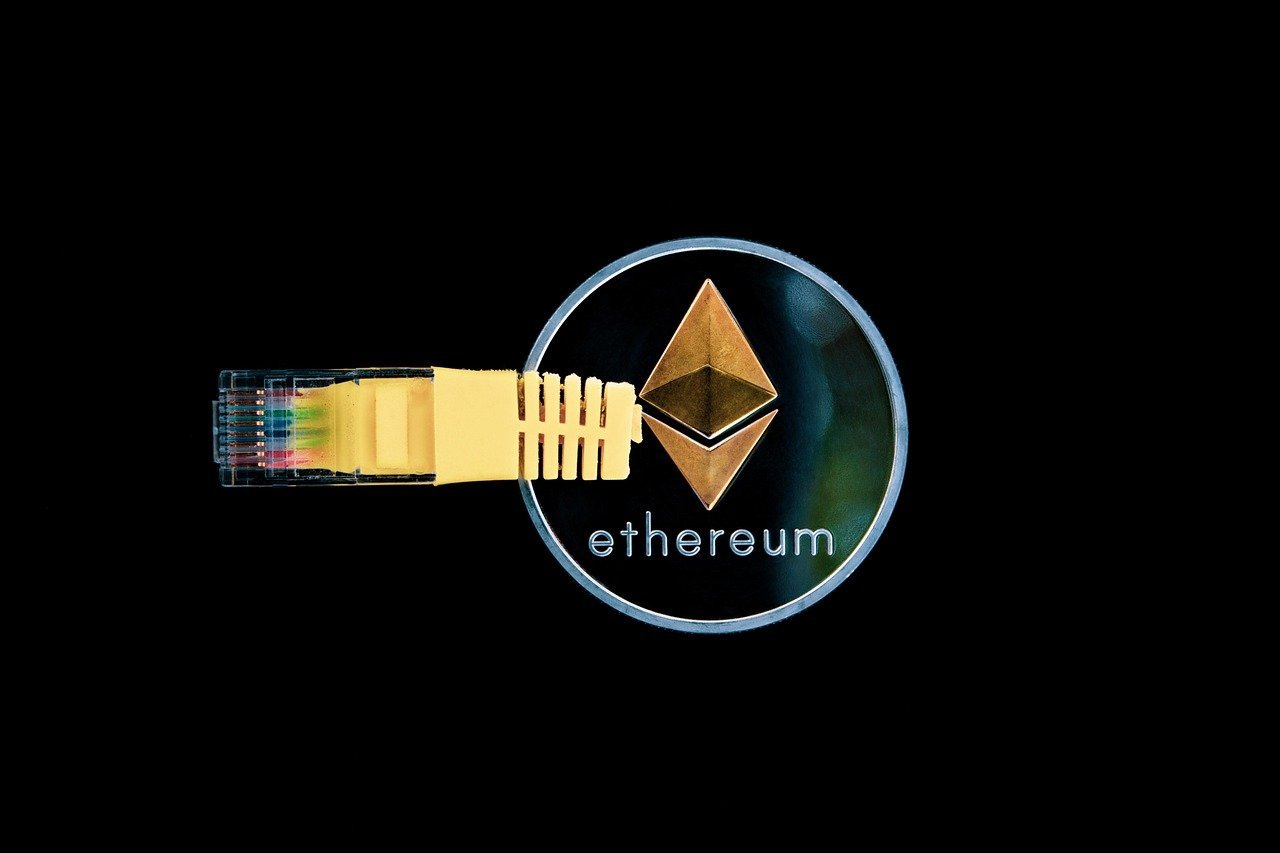
Unlike traditional platforms where a company dictates terms of service, algorithms, and content moderation, decentralized platforms empower users through community governance. Decisions about the platform’s future, content policies, and even monetization often rest with token holders or network participants. This fundamental architectural difference brings inherent benefits, particularly in terms of censorship resistance and data ownership.
For instance, on a traditional platform, a user’s account or content can be unilaterally removed by the company for various reasons, sometimes without clear explanation or recourse. On a decentralized platform, content is often stored on a distributed ledger, making it much harder for any single authority to delete or block. This resilience against censorship is a cornerstone of the decentralized vision. Furthermore, users truly own their digital identity and data, which can be ported across different decentralized applications (dApps) without permission, fostering greater interoperability and breaking down data silos.
"Decentralized social media isn’t just about moving data off big servers; it’s about fundamentally redesigning the power dynamics between users, creators, and platforms."
By 2026, analysts predict that the user base for decentralized social media platforms could exceed 50 million global users, driven by increasing awareness of privacy issues and a desire for digital self-sovereignty. This growth is fueled by innovations in Web3, providing robust infrastructure for these new forms of social interaction.
The Role of Blockchain and Web3
At the core of decentralized social media lies blockchain technology. Blockchains provide an immutable, transparent, and secure ledger for recording transactions and data. In this context, user profiles, content posts, and interactions can be recorded on a blockchain, ensuring their integrity and persistence. Web3, the vision for a decentralized internet, is the broader ecosystem enabling these applications.
- Data Ownership: Users own their data through cryptographic keys, rather than platforms owning it.
- Censorship Resistance: Content lives on a distributed network, making it difficult for any single party to remove.
- Interoperability: Digital identities and content can potentially move between different dApps and platforms seamlessly.
- Tokenomics: Many platforms utilize cryptocurrencies or tokens for governance, rewards, and monetization.
This technological foundation shifts the paradigm from ‘platform-owned’ to ‘user-owned’ internet experiences, opening new possibilities for creators and communities.
Why Decentralized Social Media Matters: Addressing Big Tech’s Flaws
The rise of decentralized social media is a direct response to the perceived shortcomings and ethical dilemmas posed by centralized Big Tech platforms. These established giants, while offering convenience and vast networks, have increasingly come under scrutiny for their data practices, content moderation policies, and market dominance. The need for alternatives has never been more pressing.
One of the primary concerns is data privacy. Centralized platforms collect vast amounts of personal data, which is then used for targeted advertising and often shared with third parties. Users have little to no control over how their data is stored, processed, or monetized. Decentralized platforms, by contrast, typically encrypt user data or store it in a way that only the user can access, offering true data sovereignty. For example, platforms built on a protocol like Lens Protocol allow users to own their social graph as an NFT, making it a portable digital asset.
Another significant issue is censorship. Centralized platforms possess the unilateral power to delete content, ban users, or manipulate algorithmic reach. This power can be (and has been) wielded to silence dissenting voices, spread propaganda, or enforce subjective standards that may not align with a global user base. Decentralized platforms, by distributing control and storing content on immutable ledgers, make censorship far more challenging, aligning with the principles of free speech and open discourse. This resilience is a critical component for activists and journalists in restrictive regimes.
Finally, the opaque nature of monetization and algorithmic biases on traditional platforms is a major driver for change. Users generate immense value for these platforms, yet often receive little direct benefit. Algorithms, designed to maximize engagement, can inadvertently promote echo chambers and misinformation. Decentralized models often incorporate transparent tokenomics, allowing users and content creators to earn direct rewards for their contributions, fostering a more equitable value exchange. This shift represents a powerful incentive for creators looking to monetize their work fairly without significant platform cuts.
The collective dissatisfaction with the existing internet model fuels the drive towards decentralized alternatives, aiming to build a more transparent, fair, and user-centric online environment.
How Decentralized Social Media Works: The Core Technologies
The operational mechanics of decentralized social media platforms are fundamentally different from their centralized counterparts, relying on a combination of innovative technologies to achieve their goals of user empowerment and censorship resistance. Understanding these underlying mechanisms is key to appreciating their potential.
At its foundation, a decentralized social media platform utilizes a blockchain or a similar distributed ledger technology (DLT). This ledger acts as a public, immutable record of all interactions, including user profiles, posts, comments, and follows. When a user publishes content, it isn’t stored on a single company’s server; instead, it’s typically cryptographically signed by the user and then broadcast to the decentralized network, where it is added to the ledger. This distributed storage ensures that no single point of failure exists and that content is resilient against deletion by a central authority.
Authentication and identity management are also decentralized. Users typically create a unique digital identity, often linked to a cryptocurrency wallet, which serves as their passport across various dApps. This means users don’t need to create separate accounts with email and passwords for each service. Instead, they log in with their wallet, retaining full control over their identity and personal information. Protocols like Ethereum Name Service (ENS) simplify these identities, making them human-readable.
Content storage can vary. While metadata (like post IDs, timestamps, and user IDs) is often stored on the blockchain, the actual content (images, videos, long-form text) might be stored on decentralized file storage networks like IPFS (InterPlanetary File System) or Arweave. These systems break down files into smaller chunks, encrypt them, and distribute them across a global network of nodes, ensuring data persistence and censorship resistance, even if the primary social application goes offline.
Finally, community governance is a hallmark. Many decentralized social platforms implement tokenomics, where users who hold specific tokens can vote on proposals related to platform upgrades, moderation policies, and treasury management. This shift from top-down corporate decisions to community-driven decentralized autonomous organizations (DAOs) truly embodies the spirit of decentralization. For more information on blockchain fundamentals, read this guide on Investopedia.
Key Features and Benefits of Decentralized Social Media Platforms
The distinct architecture of decentralized social media platforms brings forth a host of features and benefits that directly address the pain points of the current internet landscape. These advantages are crucial for understanding why many are migrating to or building on these nascent technologies.
One of the most significant benefits is genuine data ownership and privacy. On platforms like Mastodon, a federated decentralized network, users have more control over their data, and it’s not centrally harvested for targeted advertising. This empowers individuals to decide who sees their information and how it’s used. By 2026, 60% of consumers are expected to prioritize digital privacy in their online interactions, making this a pivotal feature.
Another key feature is censorship resistance. Because content is stored on distributed ledgers and managed by community consensus rather than a single corporate entity, it becomes incredibly difficult for any one party to arbitrarily remove posts or ban users. This makes decentralized platforms havens for free expression, particularly important for journalists and activists operating in regions with restrictive internet policies. This commitment to open discourse strengthens the democratic nature of online communication.
Creator monetization and fair value exchange are also revolutionized. Many decentralized platforms incorporate tokenomics, allowing creators to earn cryptocurrency directly from their audience through tips, subscriptions, or engagement-based rewards. This eliminates the need for intermediaries that often take a significant cut, enabling creators to retain a larger portion of their earnings. For example, platforms might integrate NFTs, allowing creators to tokenize unique content and sell it directly to fans.
Lastly, interoperability and composability are game-changers. Unlike walled gardens where user data is siloed, decentralized social graphs (like those built on Farcaster) allow digital identities, followers, and content to potentially be reused across multiple applications. This means a user’s social network isn’t tied to a single platform but becomes a portable asset they own, fostering an open ecosystem of dApps that can build upon each other.
| Feature | Traditional Social Media | Decentralized Social Media |
|---|---|---|
| Data Ownership | Platform-owned | User-owned (self-sovereign identity) |
| Censorship | Centralized control, prone to removal | Censorship-resistant (distributed content) |
| Monetization | Platform-centric ads, creator cuts | Direct creator earnings, token incentives |
| Privacy | Limited, data harvested for ads | Enhanced, user controls data access |
| Governance | Corporate decision-making | Community-governed (DAOs, token holders) |
| Interoperability | Low (walled gardens) | High (portable social graphs) |
Challenges and Roadblocks for Decentralized Social Media Adoption
Despite the compelling vision, the path to mainstream adoption for decentralized social media is fraught with significant challenges. These hurdles encompass technical complexities, user experience issues, and the formidable network effects enjoyed by incumbent platforms. Overcoming these will require sustained innovation and strategic planning.
One of the primary technical challenges is scalability. Blockchain networks, while secure and transparent, can struggle with processing a high volume of transactions quickly and affordably. Traditional social media platforms handle billions of interactions daily. Replicating this throughput on a decentralized ledger without incurring prohibitively high gas fees or slow transaction times is a monumental task. Layer 2 solutions and more efficient consensus mechanisms are being developed, but widespread, seamless scalability remains an ongoing endeavor, impacting everything from posting speed to real-time interactions.
Another significant barrier is user experience (UX). Current centralized platforms are refined over years, offering intuitive interfaces and seamless onboarding. Decentralized alternatives often present a steeper learning curve, requiring users to manage crypto wallets, understand gas fees, and navigate complex interfaces. Many mainstream users are not yet comfortable with these additional steps. Simplifying the onboarding process, abstracting away blockchain complexities, and designing user-friendly interfaces are critical for broader appeal. This requires significant investment in UI/UX development to rival the polished experience of Big Tech.
The network effect of established platforms is perhaps the most formidable non-technical challenge. People join social media platforms to connect with friends, family, and communities. If their network isn’t on a decentralized platform, there’s little incentive to switch, even if the decentralized alternative offers superior privacy or censorship resistance. Building a critical mass of users from scratch is incredibly difficult. Protocols must find innovative ways to attract early adopters and create compelling reasons for existing communities to migrate or engage.
Furthermore, moderation and combating misinformation present unique challenges in a decentralized environment. While censorship resistance is a core tenet, platforms still need mechanisms to address illegal content, hate speech, and spam. Devising decentralized moderation systems that uphold free speech while protecting users from harm is a complex balancing act, often involving community-driven reporting and transparent dispute resolution mechanisms.
Finally, regulatory uncertainty and legal frameworks surrounding decentralized applications, data ownership, and digital assets add another layer of complexity. Governments globally are still grappling with how to classify and regulate Web3 technologies, which can create headwinds for developers and investors in this space.
Promising Decentralized Social Media Platforms to Watch
The landscape of decentralized social media is rapidly evolving, with several platforms emerging as strong contenders to redefine online interaction. These projects leverage diverse blockchain technologies and design philosophies to tackle the challenges of decentralization while offering compelling user experiences. Keeping an eye on these innovators is crucial for anyone interested in the future of the internet.
One of the most prominent projects gaining traction is Farcaster. Farcaster is an open protocol that enables developers to build new social networks. Rather than a single application, it’s a foundation that allows users to own their social identity, content, and connections, making them portable across different Farcaster-compatible clients. It prioritizes self-custody of social graphs and permissionless innovation, fostering a vibrant ecosystem of client applications like Warpcast. Farcaster is built on Ethereum and Optimism, utilizing a hybrid on-chain/off-chain storage approach to balance scalability with decentralization.
Another significant player is Lens Protocol. Also built on the Polygon blockchain, Lens Protocol is a composable and decentralized social graph. It allows users to create a "profile NFT" which represents their digital identity and all their content and connections. This means creators truly own their content (represented as NFTs) and followers, which can be ported across any application built on Lens. This enables new monetization models and a truly permissionless environment for developers to innovate on social features. Lens Protocol has seen significant growth in active users and developer activity since its inception.
Beyond these protocol-level innovations, platforms like Mastodon represent a successful federated decentralized social network. While not strictly blockchain-based in the same way as Farcaster or Lens, Mastodon operates on an open-source protocol called ActivityPub, allowing thousands of independent "instances" or servers to communicate with each other. Users choose an instance to join, and their identity can interact with users on any other instance. This federated model provides a high degree of user control and censorship resistance without the complexities of a public blockchain, demonstrating a different approach to decentralization.
Other noteworthy projects include Nostr, a simple open protocol for global, decentralized, and censorship-resistant social media, and various dApps building on top of established blockchains like Hive and Solana. Each of these platforms offers unique advantages and contributes to the broader goal of a more open, user-centric internet. For more details on decentralized applications, explore our dApps category.
The Future of Social Interaction: Why Decentralized Social Media is Inevitable
The shift towards decentralized social media is not merely a passing trend but an inevitable evolution of our digital lives. As concerns around data privacy, algorithmic manipulation, and corporate censorship intensify, the fundamental appeal of user-owned, community-governed platforms becomes undeniable. The trajectory of the internet, from Web1’s read-only experience to Web2’s interactive but centralized model, naturally points towards Web3’s decentralized and user-empowering vision.
The current centralized model, while convenient, has exposed critical vulnerabilities. Data breaches, privacy violations, and the potential for platform owners to exert undue influence over public discourse have eroded trust. Users are increasingly aware of the hidden costs associated with "free" services. Decentralized platforms offer a compelling alternative by aligning incentives with users, giving them direct control over their digital assets and identity.
Moreover, the concept of interoperability, where a user’s social graph and content are not locked into a single platform, promises to unlock unprecedented creativity and innovation. Imagine being able to take your followers, content, and reputation from one social application to another, seamlessly. This open ecosystem fosters competition among developers to create the best user experiences, rather than relying on network effects to retain users in a closed system. By 2027, the value of user-owned digital assets in social contexts is projected to reach several billion dollars, indicating a strong market trend.
While challenges in scalability, user experience, and regulation persist, the rapid pace of technological innovation in blockchain and Web3 is steadily addressing these issues. Layer 2 solutions are improving transaction speeds and reducing costs, while developer tools are making it easier to build user-friendly interfaces. As the technology matures and becomes more accessible, the barriers to entry for mainstream users will diminish.
Ultimately, the move towards decentralized social media reflects a broader societal yearning for greater autonomy and transparency in our digital interactions. It’s about reclaiming the internet as a truly open and democratic space, fostering communities built on trust, genuine ownership, and freedom of expression. This evolution will fundamentally reshape how we connect, create, and share online, making it a critical component of the future internet.
Frequently Asked Questions about Decentralized Social Media
What are the main differences between centralized and decentralized social media?
The primary difference lies in control and ownership. Centralized platforms (like Facebook) are owned and operated by a single corporation, which controls user data, content, and moderation. Decentralized platforms, conversely, distribute control across a network, often using blockchain technology, giving users ownership over their data and content, and enabling community-driven governance.
Is decentralized social media truly censorship-resistant?
Yes, to a significant extent. Because content on decentralized platforms is typically stored on distributed ledgers or file systems like IPFS, it’s incredibly difficult for any single entity to delete or block it. While a client application might choose not to display certain content, the underlying data remains persistent and accessible through other means, making it far more resistant to centralized censorship.
How do decentralized social media platforms protect user privacy?
Decentralized platforms enhance privacy by giving users direct control over their data. Instead of platforms collecting and monetizing user information, individuals own their digital identity and content. This often involves cryptographic keys and storing data in ways that prevent unauthorized access, reducing the risk of data breaches and intrusive advertising practices common on centralized platforms.
Can I earn money on decentralized social media?
Many decentralized social media platforms incorporate tokenomics that allow users and creators to earn cryptocurrency. This can happen through various mechanisms, such as receiving direct tips from followers, earning tokens for engagement, participating in platform governance, or monetizing unique content as NFTs. This direct monetization model offers a more equitable value exchange than traditional ad-revenue models.
What are some examples of decentralized social media platforms?
Key examples include protocol-level projects like Farcaster and Lens Protocol, which provide the underlying infrastructure for various client applications. Mastodon is another prominent example, operating on a federated model using the ActivityPub protocol. Other emerging platforms and protocols are built on various blockchains, continually expanding the decentralized social media ecosystem.
What are the biggest challenges facing decentralized social media adoption?
Major challenges include scalability, as blockchain networks can struggle with high transaction volumes and costs. User experience is another hurdle, as current decentralized platforms often have a steeper learning curve than their centralized counterparts. Overcoming the network effect of established platforms and developing effective, decentralized moderation systems also remain significant obstacles to widespread adoption.
Conclusion: Embracing the Decentralized Social Media Frontier
The emergence of decentralized social media marks a pivotal moment in the evolution of the internet. It presents a compelling vision for a digital future where users reclaim ownership of their data, express themselves freely without fear of arbitrary censorship, and participate directly in the governance and monetization of the platforms they use. While the journey is still in its early stages, with challenges in scalability, user experience, and network effects, the underlying technologies and the passionate communities driving them are laying the groundwork for a more open, transparent, and equitable online world.
As blockchain technology continues to mature and user-friendly interfaces become the norm, the barriers to entry for mainstream users will diminish. The promise of true digital self-sovereignty and a fair value exchange for creators is too powerful to ignore. We encourage you to explore these new platforms, engage with the communities, and become part of shaping the next generation of social interaction. Discover more about this transformative space by visiting our Crypto News section to stay informed on the latest developments.