
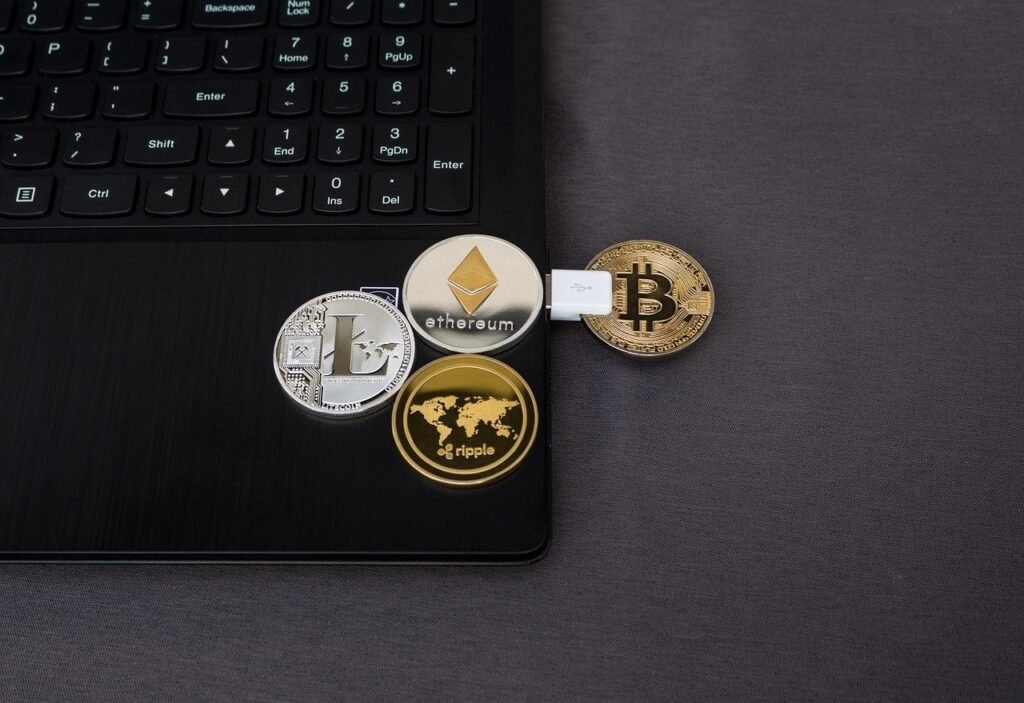
The threat of Crypto Wallet Hacking is on the rise, with hackers targeting unsuspecting investors and stealing millions of dollars’ worth of cryptocurrency. In 2026, it’s more important than ever to take steps to protect your crypto wallet from hacking. To prevent crypto wallet hacking, it’s essential to use a reputable wallet provider and enable two-factor authentication.
According to a recent report, the number of crypto wallet hacking incidents has increased by 50% in the past year, with the total value of stolen cryptocurrency exceeding $1 billion.
Crypto Wallet Hacking Prevention: Best Practices
To prevent crypto wallet hacking, it’s essential to follow best practices, such as using a strong password, enabling two-factor authentication, and keeping your wallet software up to date. Additionally, it’s crucial to use a reputable wallet provider, such as Coinbase or MetaMask.
Using a Hardware Wallet
One of the most effective ways to prevent crypto wallet hacking is to use a hardware wallet, such as a Ledger or Trezor. These wallets store your private keys offline, making it much harder for hackers to access your funds.
Crypto Wallet Hacking: Common Tactics
Crypto wallet hackers use various tactics to steal cryptocurrency, including phishing scams, malware, and social engineering. To protect yourself, it’s essential to be aware of these tactics and take steps to prevent them. For example, never click on suspicious links or download software from untrusted sources.

Phishing Scams
Phishing scams are a common tactic used by crypto wallet hackers. These scams involve sending fake emails or messages that appear to be from a legitimate source, such as a wallet provider or exchange. The goal is to trick the victim into revealing their private keys or login credentials.
Crypto Wallet Security: Comparison of Wallet Providers
| Wallet Provider | Security Features | Fees |
|---|---|---|
| Coinbase | Two-factor authentication, encryption | 1.49% – 3.99% |
| MetaMask | Encryption, open-source code | Free |
| Ledger | Hardware-based security, encryption | $59 – $149 |
Crypto Wallet Hacking: Real-Life Examples
In 2026, several high-profile crypto wallet hacking incidents have made headlines. For example, in January 2026, a group of hackers stole over $100 million worth of cryptocurrency from a prominent exchange. In another incident, a crypto investor lost over $1 million worth of Bitcoin due to a phishing scam.
Lesson Learned
These incidents highlight the importance of taking steps to prevent crypto wallet hacking. By using a reputable wallet provider, enabling two-factor authentication, and being cautious of suspicious emails or messages, you can significantly reduce the risk of your crypto wallet being hacked.
Crypto Wallet Hacking Prevention: The Role of Regulation
Regulation plays a crucial role in preventing crypto wallet hacking. In 2026, several countries have introduced regulations aimed at protecting crypto investors and preventing hacking incidents. For example, the US Securities and Exchange Commission (SEC) has introduced guidelines for crypto exchanges and wallet providers to follow.
Regulation is essential for protecting crypto investors and preventing hacking incidents. By introducing clear guidelines and regulations, governments can help to reduce the risk of crypto wallet hacking and promote a safer and more secure crypto ecosystem.
Crypto Wallet Hacking: The Future of Security
The future of crypto wallet security looks promising, with several new technologies and innovations being developed to prevent hacking incidents. For example, the use of artificial intelligence (AI) and machine learning (ML) can help to detect and prevent phishing scams and other types of cyber attacks.
AI-Powered Security
AI-powered security solutions can help to detect and prevent crypto wallet hacking incidents. These solutions use machine learning algorithms to analyze patterns and anomalies in user behavior, allowing them to detect and prevent suspicious activity.
Key Takeaways
- Use a reputable wallet provider, such as Coinbase or MetaMask
- Enable two-factor authentication to add an extra layer of security
- Keep your wallet software up to date to prevent vulnerabilities
- Be cautious of suspicious emails or messages, and never reveal your private keys or login credentials
- Consider using a hardware wallet, such as a Ledger or Trezor, for added security
Crypto Wallet Hacking Prevention: Next Steps
To prevent crypto wallet hacking, it’s essential to take action now. Start by reviewing your current wallet provider and security measures, and consider upgrading to a more secure solution. Additionally, stay informed about the latest crypto wallet hacking incidents and security best practices.
Stay Informed
Staying informed is key to preventing crypto wallet hacking. Follow reputable sources, such as CoinDesk or CCN, to stay up to date with the latest news and developments in the crypto space.
FAQ
What is crypto wallet hacking?
Crypto wallet hacking refers to the unauthorized access to a cryptocurrency wallet, resulting in the theft of funds.
How can I prevent crypto wallet hacking?
To prevent crypto wallet hacking, use a reputable wallet provider, enable two-factor authentication, and keep your wallet software up to date.
What are the most common tactics used by crypto wallet hackers?
Crypto wallet hackers use various tactics, including phishing scams, malware, and social engineering.
What is the best way to store my cryptocurrency?
The best way to store your cryptocurrency is to use a hardware wallet, such as a Ledger or Trezor, or a reputable wallet provider, such as Coinbase or MetaMask.
How can I recover my stolen cryptocurrency?
If your cryptocurrency has been stolen, contact your wallet provider and report the incident to the relevant authorities. You may also be able to recover your funds through a recovery service, such as Coinfirm.