
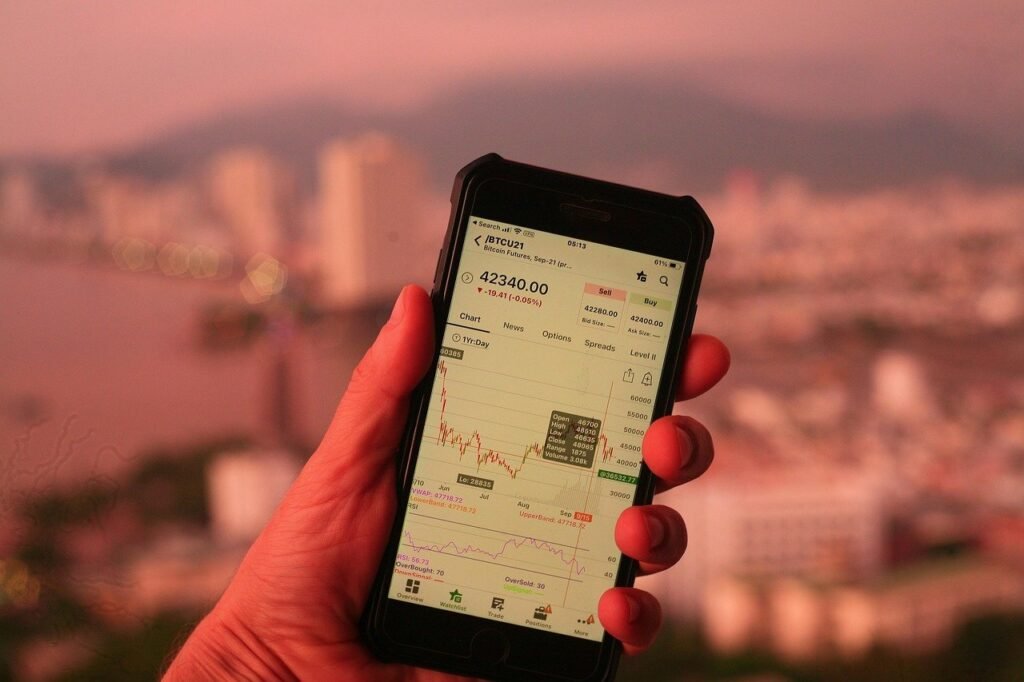
Navigating Crypto Market Volatility can be challenging, especially for new investors. The crypto market is known for its unpredictable nature, with prices fluctuating rapidly. As of 2026, the total market capitalization of cryptocurrencies stands at over $2 trillion.
To better understand the crypto market, it’s essential to stay informed about the latest trends and developments. This article will provide an overview of the current state of the crypto market and offer tips on how to navigate its volatility.
Understanding Crypto Market Volatility
Crypto market volatility refers to the rapid and significant changes in the prices of cryptocurrencies. This volatility can be caused by a variety of factors, including changes in supply and demand, regulatory developments, and global economic trends. For example, the price of Bitcoin, the largest cryptocurrency by market capitalization, can fluctuate by as much as 10% in a single day.
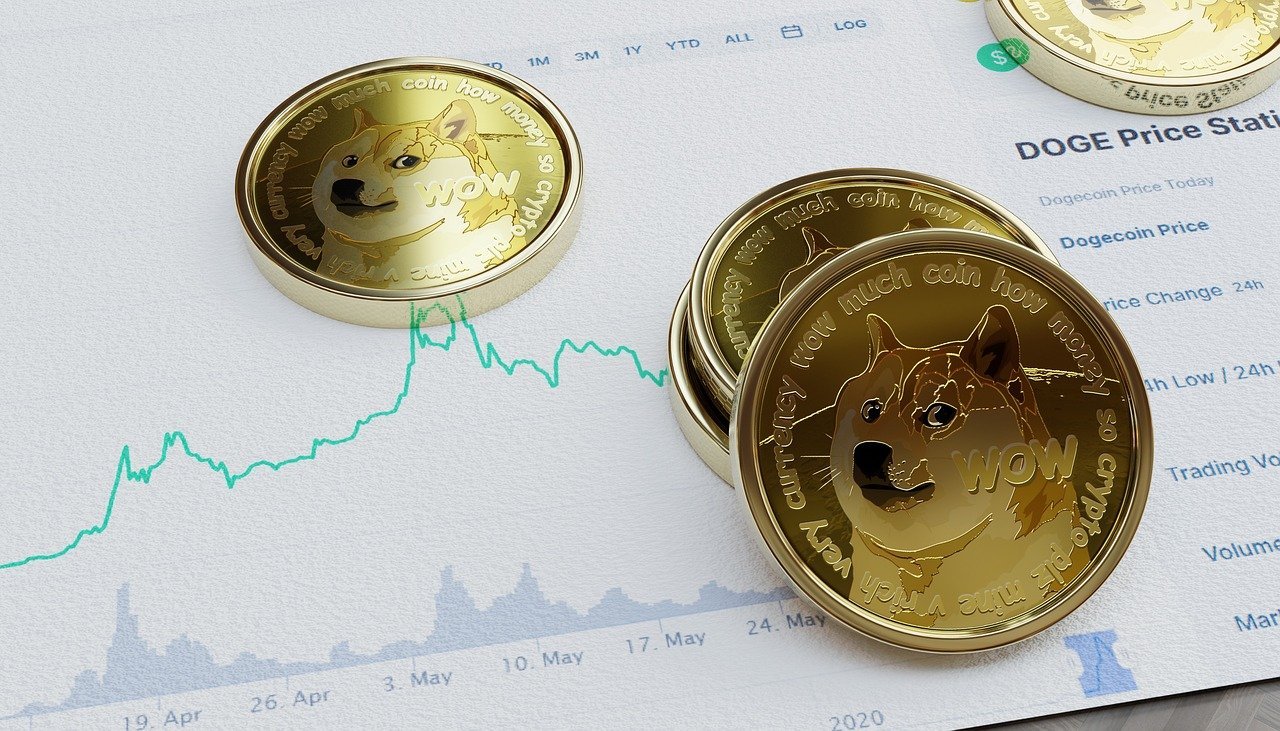
According to data from 2026, the average daily trading volume of cryptocurrencies is over $100 billion. This high trading volume, combined with the relatively low market capitalization of many cryptocurrencies, can lead to significant price movements.
Factors Contributing to Crypto Market Volatility
- Changes in supply and demand
- Regulatory developments
- Global economic trends
- Adoption rates of cryptocurrencies
Managing Risk in a Volatile Crypto Market
Managing risk is crucial when investing in a volatile crypto market. One way to manage risk is to diversify your portfolio by investing in a variety of cryptocurrencies. This can help to reduce the impact of price fluctuations on your overall portfolio.

For example, investing in a mix of established cryptocurrencies like Bitcoin and Ethereum, as well as newer cryptocurrencies like Solana and Cardano, can help to spread risk. It’s also essential to set a budget and stick to it, as well as to have a long-term perspective when investing in cryptocurrencies.
Risk Management Strategies
- Diversify your portfolio
- Set a budget and stick to it
- Have a long-term perspective
- Stay informed about market trends and developments
Navigating Crypto Market Trends
Navigating crypto market trends can be challenging, but there are several strategies that can help. One approach is to follow established trends and patterns in the market. For example, the price of Bitcoin has historically followed a pattern of significant growth in the spring and summer months, followed by a decline in the fall and winter months.
Another approach is to use technical analysis, such as charts and indicators, to identify trends and patterns in the market. This can help to identify potential buying and selling opportunities, as well as to predict future price movements.
Technical Analysis Tools
- Charts and indicators
- Trend lines and patterns
- Support and resistance levels
Crypto Market Volatility and Trading Volumes
Crypto market volatility is often accompanied by significant changes in trading volumes. For example, during periods of high volatility, trading volumes may increase as investors seek to take advantage of price movements.

According to data from 2026, the average daily trading volume of cryptocurrencies on major exchanges like Coinbase and Binance is over $10 billion. This high trading volume, combined with the relatively low market capitalization of many cryptocurrencies, can lead to significant price movements.
Trading Volume and Market Capitalization
| Cryptocurrency | Market Capitalization | Average Daily Trading Volume |
|---|---|---|
| Bitcoin | $1 trillion | $5 billion |
| Ethereum | $500 billion | $2 billion |
| Solana | $10 billion | $100 million |
Regulatory Developments and Crypto Market Volatility
Regulatory developments can have a significant impact on crypto market volatility. For example, changes in laws and regulations can affect the adoption and use of cryptocurrencies, leading to changes in demand and supply.
According to data from 2026, over 100 countries have implemented or are considering implementing regulations on cryptocurrencies. This increased regulatory scrutiny can lead to increased volatility in the crypto market, as investors and users respond to changes in the regulatory environment.
Regulatory Developments and Adoption Rates
- Changes in laws and regulations
- Adoption rates of cryptocurrencies
- Global economic trends
Crypto Market Volatility and Investment Strategies
Crypto market volatility can be challenging for investors, but there are several strategies that can help to manage risk and maximize returns. One approach is to use a long-term perspective, focusing on the potential for long-term growth and adoption of cryptocurrencies.
Another approach is to use a dollar-cost averaging strategy, investing a fixed amount of money at regular intervals, regardless of the market’s performance. This can help to reduce the impact of price fluctuations on your overall portfolio.
Investment Strategies for Crypto Market Volatility
- Use a long-term perspective
- Use a dollar-cost averaging strategy
- Diversify your portfolio
- Stay informed about market trends and developments
Conclusion and Next Steps
Navigating crypto market volatility requires a combination of knowledge, strategy, and risk management. By understanding the factors that contribute to volatility, managing risk, and using effective investment strategies, investors can maximize their returns and minimize their losses.
To learn more about crypto market volatility and how to navigate it, visit our Bitcoin and Ethereum archives. You can also visit Investopedia for more information on investing in cryptocurrencies.
Crypto market volatility is a natural part of the market, and by understanding and managing it, investors can maximize their returns and minimize their losses.
Frequently Asked Questions
Q: What is crypto market volatility?
Crypto market volatility refers to the rapid and significant changes in the prices of cryptocurrencies.
Q: What causes crypto market volatility?
Crypto market volatility can be caused by a variety of factors, including changes in supply and demand, regulatory developments, and global economic trends.
Q: How can I manage risk in a volatile crypto market?
Managing risk in a volatile crypto market requires a combination of knowledge, strategy, and risk management, including diversifying your portfolio, setting a budget, and having a long-term perspective.
Q: What is the best investment strategy for crypto market volatility?
The best investment strategy for crypto market volatility will depend on your individual goals and risk tolerance, but may include using a long-term perspective, diversifying your portfolio, and using a dollar-cost averaging strategy.
Q: Where can I learn more about crypto market volatility and how to navigate it?
To learn more about crypto market volatility and how to navigate it, visit our Bitcoin and Ethereum archives, or visit Investopedia for more information on investing in cryptocurrencies.
Key Takeaways:
- Crypto market volatility is a natural part of the market
- Managing risk requires a combination of knowledge, strategy, and risk management
- Diversifying your portfolio and using a long-term perspective can help to maximize returns and minimize losses
- Staying informed about market trends and developments is essential for navigating crypto market volatility
- Visiting our Bitcoin and Ethereum archives can provide more information on investing in cryptocurrencies