
Crypto Wrapped Tokens are a type of digital asset that represents a traditional cryptocurrency, such as Bitcoin or Ethereum, on a different blockchain. Crypto Wrapped Tokens, also known as wrapped assets or tokenized assets, have been gaining popularity in 2026 due to their ability to increase liquidity and interoperability across different blockchain networks. For example, Wrapped Bitcoin (WBTC) is a Crypto Wrapped Token that represents Bitcoin on the Ethereum blockchain.
What are Crypto Wrapped Tokens and How Do They Work?
Crypto Wrapped Tokens work by locking a certain amount of the underlying cryptocurrency in a smart contract, which then mints an equivalent amount of the wrapped token. This process allows users to transfer and trade the wrapped token on a different blockchain, while still maintaining the value and ownership of the underlying cryptocurrency. For instance, the Aave protocol uses Crypto Wrapped Tokens to provide lending and borrowing services for various cryptocurrencies.
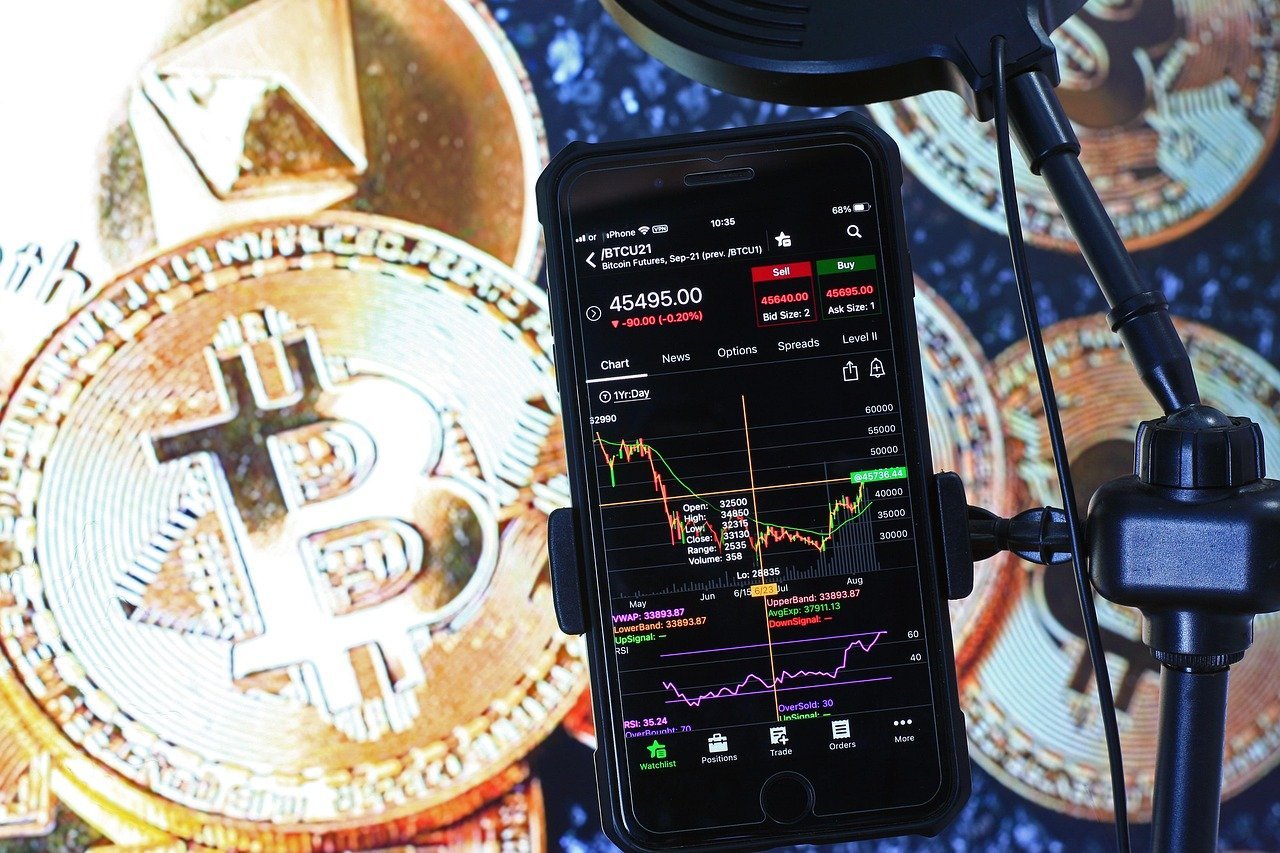
The creation of Crypto Wrapped Tokens involves a process called tokenization, where a digital representation of the underlying asset is created. This digital representation can then be traded, stored, and managed like any other digital asset. According to data from 2026, the total value of Crypto Wrapped Tokens has exceeded $10 billion, with popular exchanges like Coinbase and Binance supporting the trading of these assets.
Benefits of Crypto Wrapped Tokens
The main benefits of Crypto Wrapped Tokens include increased liquidity, improved interoperability, and enhanced functionality. By allowing users to transfer and trade cryptocurrencies on different blockchains, Crypto Wrapped Tokens can increase the overall liquidity of the cryptocurrency market. Additionally, Crypto Wrapped Tokens can provide access to new financial services and applications, such as lending and borrowing, that may not be available on the original blockchain.
Types of Crypto Wrapped Tokens
There are several types of Crypto Wrapped Tokens, each with its own unique characteristics and use cases. Some of the most common types of Crypto Wrapped Tokens include Wrapped Bitcoin (WBTC), Wrapped Ethereum (WETH), and Wrapped Litecoin (WLTC). These tokens are backed by the underlying cryptocurrency and can be redeemed for the original asset at any time.
Other types of Crypto Wrapped Tokens include tokenized assets, such as tokenized real estate or tokenized art. These assets represent ownership in a physical asset or a unique digital item, and can be traded and managed like any other digital asset. For example, the platform Rarible allows users to create and trade tokenized art, which can be represented as a Crypto Wrapped Token.
Tokenized Assets
Tokenized assets are a type of Crypto Wrapped Token that represents ownership in a physical asset or a unique digital item. These assets can include real estate, art, or even rare collectibles. By tokenizing these assets, users can buy, sell, and trade them like any other digital asset, increasing their liquidity and accessibility.
Key Takeaways
- Crypto Wrapped Tokens represent a traditional cryptocurrency on a different blockchain.
- They increase liquidity and interoperability across different blockchain networks.
- Tokenization is the process of creating a digital representation of an underlying asset.
- Crypto Wrapped Tokens can provide access to new financial services and applications.
- Tokenized assets represent ownership in a physical asset or a unique digital item.
How to Use Crypto Wrapped Tokens
Using Crypto Wrapped Tokens is relatively straightforward, and can be done through a variety of exchanges and platforms. For example, users can purchase Wrapped Bitcoin (WBTC) on the Coinbase exchange, and then transfer it to a different blockchain to take advantage of new financial services and applications.
Additionally, users can use Crypto Wrapped Tokens to participate in decentralized finance (DeFi) protocols, such as lending and borrowing. The Uniswap protocol, for instance, allows users to trade and provide liquidity for various Crypto Wrapped Tokens, earning interest and rewards in the process.
Decentralized Finance (DeFi) and Crypto Wrapped Tokens
Decentralized finance (DeFi) protocols have been a major driver of the adoption of Crypto Wrapped Tokens. By providing access to new financial services and applications, Crypto Wrapped Tokens have enabled users to participate in DeFi protocols and earn interest and rewards. According to data from 2026, the total value locked in DeFi protocols has exceeded $50 billion, with Crypto Wrapped Tokens playing a significant role in this growth.
Risks and Challenges of Crypto Wrapped Tokens
While Crypto Wrapped Tokens offer many benefits, they also come with risks and challenges. One of the main risks is the potential for smart contract vulnerabilities, which can result in the loss of funds or assets. Additionally, the use of Crypto Wrapped Tokens can be subject to regulatory uncertainty, which can impact their adoption and use.
Furthermore, the creation and management of Crypto Wrapped Tokens can be complex and require significant technical expertise. This can create barriers to entry for new users and limit the accessibility of these assets. However, as the technology and infrastructure for Crypto Wrapped Tokens continue to evolve, these risks and challenges are likely to decrease.
Regulatory Uncertainty and Crypto Wrapped Tokens
Regulatory uncertainty is a significant challenge facing the adoption of Crypto Wrapped Tokens. As these assets are still relatively new and untested, regulatory bodies are still determining how to classify and regulate them. This uncertainty can create risks and challenges for users and investors, and can impact the overall adoption and use of Crypto Wrapped Tokens.
Comparison of Crypto Wrapped Tokens
| Crypto Wrapped Token | Underlying Asset | Blockchain |
|---|---|---|
| Wrapped Bitcoin (WBTC) | Bitcoin | Ethereum |
| Wrapped Ethereum (WETH) | Ethereum | Ethereum |
| Wrapped Litecoin (WLTC) | Litecoin | Ethereum |
Crypto Wrapped Tokens have the potential to increase liquidity and interoperability across different blockchain networks, and can provide access to new financial services and applications.
Conclusion and Next Steps
In conclusion, Crypto Wrapped Tokens are a type of digital asset that represents a traditional cryptocurrency on a different blockchain. They offer many benefits, including increased liquidity and interoperability, and can provide access to new financial services and applications. However, they also come with risks and challenges, such as smart contract vulnerabilities and regulatory uncertainty.
To get started with Crypto Wrapped Tokens, users can purchase them on a variety of exchanges and platforms, and then transfer them to a different blockchain to take advantage of new financial services and applications. As the technology and infrastructure for Crypto Wrapped Tokens continue to evolve, they are likely to play an increasingly important role in the cryptocurrency market.
FAQ
Q: What is a Crypto Wrapped Token?
A Crypto Wrapped Token is a type of digital asset that represents a traditional cryptocurrency on a different blockchain.
Q: How do Crypto Wrapped Tokens work?
Crypto Wrapped Tokens work by locking a certain amount of the underlying cryptocurrency in a smart contract, which then mints an equivalent amount of the wrapped token.
Q: What are the benefits of Crypto Wrapped Tokens?
The benefits of Crypto Wrapped Tokens include increased liquidity, improved interoperability, and enhanced functionality.
Q: What are the risks and challenges of Crypto Wrapped Tokens?
The risks and challenges of Crypto Wrapped Tokens include smart contract vulnerabilities, regulatory uncertainty, and complexity.
Q: How can I use Crypto Wrapped Tokens?
Users can purchase Crypto Wrapped Tokens on a variety of exchanges and platforms, and then transfer them to a different blockchain to take advantage of new financial services and applications.
Internal and External Links
For more information on Crypto Wrapped Tokens, please visit our Bitcoin and Ethereum archives. Additionally, you can learn more about the Aave protocol and its use of Crypto Wrapped Tokens on the Aave website. For a comprehensive guide to cryptocurrency and blockchain technology, please visit Investopedia.