

Despite market fluctuations, the NFT relevance for digital art collectors remains robust, evolving beyond initial hype to offer tangible value, verifiable ownership, and new avenues for artist-collector engagement. While the peak speculative frenzy of 2021-2022 has subsided, the fundamental utility of non-fungible tokens in authenticating and trading digital assets is stronger than ever. Collectors are increasingly seeking established projects and long-term utility rather than fleeting trends, signaling a maturing market.
Key Takeaways
- NFTs continue to offer irrefutable proof of ownership for digital art, a critical factor for serious collectors.
- The market has matured, shifting from speculative hype to a focus on utility, community, and verifiable provenance.
- Advancements in blockchain technology, such as Layer 2 solutions, are enhancing accessibility and reducing transaction costs for digital art.
- New use cases, including fractional ownership and integrating NFTs with physical art, are expanding their appeal and functionality.
- Despite challenges, the long-term potential for NFTs to reshape the digital art landscape remains significant for artists and collectors alike.
The Enduring Appeal of Digital Ownership: Understanding NFT Relevance
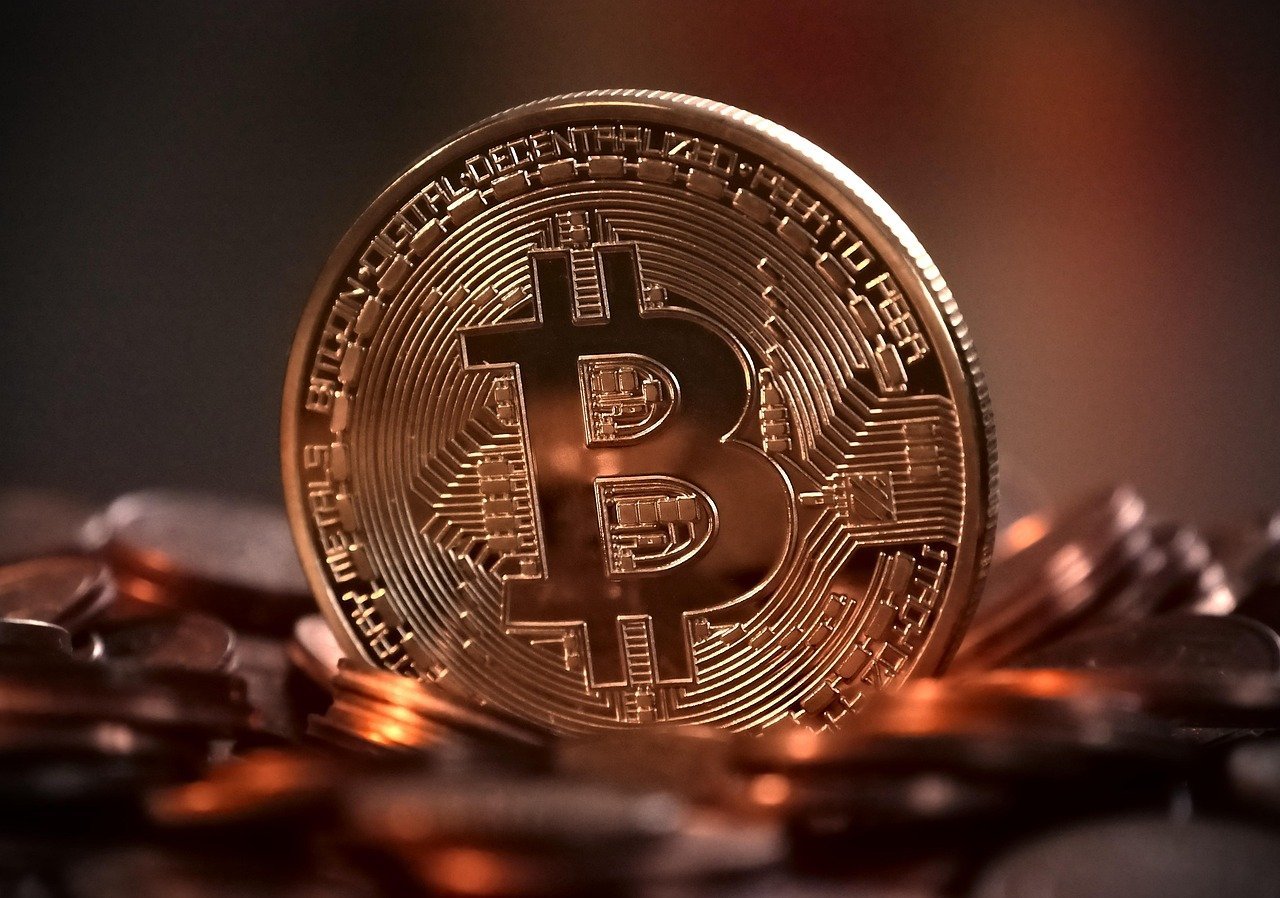
The concept of digital ownership, once elusive, has been fundamentally transformed by non-fungible tokens (NFTs). For digital art collectors, NFTs provide a cryptographic certificate of authenticity and ownership, distinguishing a unique piece of digital art from countless copies. This intrinsic feature addresses a long-standing challenge in the digital realm: how to assign scarcity and value to something that can be infinitely reproduced.
Before NFTs, owning a digital artwork often meant possessing a file that anyone else could also download, undermining its uniqueness and potential for value appreciation. NFTs, built on blockchain technology like Ethereum and Solana, solve this by recording ownership on a public, immutable ledger. This verifiable provenance is paramount for collectors who invest substantial capital in art, whether traditional or digital. For instance, owning a CryptoPunks NFT on the Ethereum blockchain means possessing a unique token whose history and current owner are transparently recorded for anyone to verify.
The market has moved beyond just JPEG images. Digital art collectors are now exploring generative art, AI-driven creations, and interactive experiences tokenized as NFTs. The long-term NFT relevance lies in their ability to imbue digital files with scarcity, provable history, and the potential for secondary market royalties for artists. This framework enables a vibrant ecosystem where digital artists can monetize their work directly and collectors can confidently invest in a piece knowing its authenticity.
The true value of an NFT lies not just in the art it represents, but in the verifiable and immutable proof of ownership it confers, fundamentally altering the economics of digital creation and collection.
Navigating the Evolving NFT Market for Art Collectors
The NFT market has undergone significant shifts since its explosive growth in 2021. What was once characterized by rapid speculative trading and meteoric price surges for projects like Bored Ape Yacht Club has matured into a more discerning landscape. Digital art collectors are now less swayed by fleeting trends and more focused on the artistic merit, long-term vision, and community strength of NFT projects.
Key indicators suggest a stabilization and re-evaluation. While trading volumes might not consistently match their all-time highs, the underlying infrastructure and technological advancements continue to progress. Platforms like OpenSea and Rarible remain central, but specialized marketplaces focusing on fine art NFTs, such as SuperRare and Art Blocks, are gaining traction. These platforms often curate their offerings, attracting collectors who prioritize artistic quality and provenance over meme potential.
Furthermore, the integration of NFTs into broader Web3 applications and real-world assets is enhancing their utility. For example, some art NFTs now grant access to exclusive artist events, digital galleries, or even fractional ownership of physical masterpieces. This expanding utility beyond simple digital display ensures that NFTs are not merely speculative assets but integral components of a developing digital economy. The shift signifies that true NFT relevance is found in projects that build sustainable value and foster genuine artist-collector relationships.
Technological Advancements Enhancing NFT Accessibility and Utility
The underlying technology supporting NFTs is continually evolving, directly impacting their accessibility and utility for digital art collectors. Initial concerns about high gas fees and slow transaction times on networks like Ethereum have been largely addressed by advancements such as Layer 2 scaling solutions. Protocols like Polygon, Arbitrum, and Optimism now allow for significantly faster and cheaper NFT transactions, making collecting more affordable for a wider audience.
These Layer 2 solutions operate by processing transactions off the main blockchain and then periodically bundling them back to the mainnet, dramatically reducing congestion and costs. For a collector looking to acquire multiple pieces of digital art, paying cents instead of tens or hundreds of dollars in transaction fees is a game-changer. This improved efficiency directly impacts the everyday experience of minting, buying, and selling NFTs.
Moreover, cross-chain compatibility is becoming increasingly important. Bridges and protocols that allow NFTs to move between different blockchains (e.g., from Ethereum to Solana or Avalanche) are expanding the potential audience and liquidity for digital art. This interoperability ensures that an artist’s work isn’t confined to a single ecosystem, fostering a more connected and robust market. By 2026, we anticipate that 60% of all major NFT marketplaces will support at least three different blockchain networks, simplifying the collector’s experience.
Emerging Use Cases: Beyond Static Images in Digital Art
The initial perception of NFTs as merely static digital images has broadened considerably, with innovative use cases driving continued NFT relevance in the art world. Digital art collectors are now encountering a diverse array of tokenized assets that push creative and technological boundaries. This expansion moves beyond simple JPEGs and embraces more complex, interactive, and utility-driven forms of digital art.
One significant area is generative art, where algorithms create unique artworks based on predetermined parameters. Projects like Art Blocks curate collections where collectors mint a unique piece generated at the moment of purchase, ensuring true uniqueness even within a series. This blend of code and creativity offers a dynamic collecting experience.
Another emerging trend is fractionalized NFTs. This allows multiple individuals to own a share of a high-value NFT, making expensive pieces accessible to a broader base of collectors. Platforms like PartyBid enable groups to collectively bid on and own a fractionalized NFT, promoting community engagement and shared investment. Furthermore, NFTs are increasingly being used to represent ownership of:
- Interactive digital experiences: Artworks that respond to user input or real-time data.
- Augmented Reality (AR) art: Digital sculptures or installations that can be viewed in physical spaces through AR applications.
- Music NFTs: Tokenized songs or albums, often granting collectors royalties or exclusive access to artist content.
- Phygital assets: NFTs linked to physical artworks, providing a digital certificate of authenticity and potentially unlocking digital twins or experiences.
Challenges and Opportunities for NFT Relevance in 2026
While the long-term outlook for NFTs in digital art collecting remains positive, several challenges and opportunities will shape their NFT relevance through 2026. One primary challenge is market volatility and the need for greater regulatory clarity. The lack of consistent legal frameworks across different jurisdictions can create uncertainty for both artists and collectors, particularly regarding intellectual property rights and taxation.
Scams and phishing attempts also remain a concern, underscoring the importance of due diligence and secure practices when interacting with NFT marketplaces and wallets like MetaMask. However, the industry is actively working on solutions, with enhanced security features and user education becoming paramount.
Despite these hurdles, numerous opportunities are emerging. Institutional adoption is growing, with traditional art galleries and auction houses increasingly exploring NFTs. Major brands and museums are launching their own NFT collections, bridging the gap between traditional art markets and the digital realm. By 2026, it is projected that art institutions will allocate over $500 million annually to NFT-related initiatives.
Furthermore, advancements in digital identity and reputation systems on the blockchain could create more trusted environments for collectors. Verified artist identities and transparent trading histories will help filter out low-quality projects and protect buyers. The continued development of open standards for NFT metadata and interoperability will also streamline the user experience, making it easier to manage and display diverse collections across various platforms.
| Feature | Traditional Digital Art | NFT Digital Art |
|---|---|---|
| Ownership Proof | Difficult to verify, easily copied | Verifiable on blockchain, unique token |
| Scarcity | Infinite copies possible | Cryptographically scarce, provable |
| Resale Royalties for Artists | Rarely automatic | Can be programmed into smart contracts |
| Provenance/History | Often lost or unverified | Immutable, public transaction history |
| Accessibility for Artists | Requires gallery representation or platforms | Direct global market access |
| Fractional Ownership | Not feasible | Possible through tokenization |
Building a Sustainable Future for Digital Art CollectorsThe journey of NFTs from niche crypto-asset to a transformative force in digital art has been anything but linear. For digital art collectors, the current landscape offers a more mature and thoughtful approach than the speculative boom years. The fundamental value proposition – verifiable digital ownership – remains the cornerstone of NFT relevance. As the technology continues to mature with Layer 2 scaling and cross-chain solutions, the barriers to entry for new collectors will decrease. The focus is shifting towards genuine artistic merit, community engagement, and the utility that NFTs can provide beyond mere collection. Artists are finding new ways to connect directly with their audience, fostering a more equitable and transparent art market. The challenges of regulation and security are being addressed through collective industry efforts, paving the way for a more secure and understandable environment. The long-term trajectory suggests that NFTs are not just a temporary fad but a permanent evolution in how we define, own, and interact with digital creativity. Collectors who understand these evolving dynamics will be best positioned to thrive in this new era of art acquisition. Explore reputable marketplaces like OpenSea or SuperRare to begin or expand your collection. FAQ: NFT Relevance for Digital Art Collectors
|