
Bitcoin mining is far more than just a buzzword; it’s the foundational process that secures the entire Bitcoin network and enables the creation of new BTC. Understanding this intricate system means looking beyond the headlines about energy consumption and focusing on the crucial role miners play in transaction verification, network security, and the decentralized issuance of the world’s leading cryptocurrency.
This guide will demystify the technical complexities, explain the economic incentives, and explore the future trajectory of this critical industry. We will delve into how specialized hardware solves complex puzzles, how rewards are distributed, and what the evolving landscape means for the crypto ecosystem as a whole.
Key Takeaways
- Bitcoin mining uses specialized hardware (ASICs) to solve cryptographic puzzles, validating transactions and adding new blocks to the blockchain.
- The process relies on a Proof-of-Work (PoW) consensus mechanism, ensuring network security and preventing double-spending without central authority.
- Miners are rewarded with newly minted Bitcoin (block reward) and transaction fees, providing a strong economic incentive to secure the network.
- Hash rate, difficulty adjustments, and energy costs are critical factors determining the profitability and global distribution of mining operations.
- The environmental impact of Bitcoin mining is a significant debate, driving innovation towards renewable energy sources and more efficient hardware.
- Joining a mining pool dramatically increases a miner’s chance of earning rewards by combining computational power.
What is Bitcoin Mining and Why is it Essential?
Bitcoin mining is the process by which new bitcoins are introduced into circulation and new transactions are confirmed by the Bitcoin network. It involves powerful computers solving complex computational puzzles, which is the core of Bitcoin’s security model. This process isn’t just about creating new coins; it’s fundamental to maintaining the integrity, security, and decentralization of the entire network.
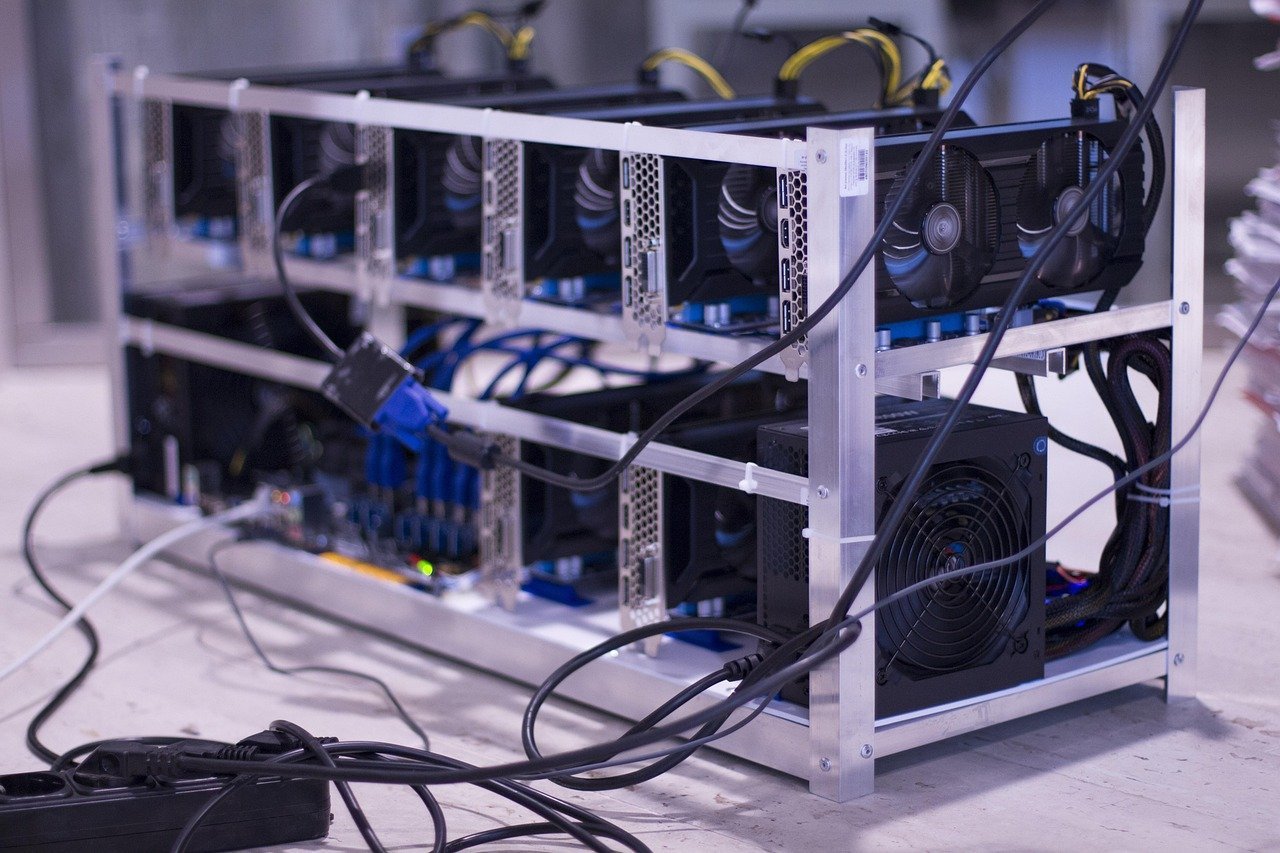
Miners are essentially auditors and record-keepers. Every Bitcoin transaction, from buying coffee with BTC to transferring large sums between exchanges like Coinbase and Kraken, must be verified and added to the blockchain. Without miners, these transactions would remain unconfirmed, and the network would grind to a halt. Their work prevents fraudulent activities such as double-spending, where someone attempts to spend the same Bitcoin twice. This distributed verification mechanism eliminates the need for a central authority, making Bitcoin a truly peer-to-peer digital cash system. It underscores why understanding how Bitcoin works is crucial for any crypto enthusiast.
The Role of Miners in Network Security
Miners contribute their computational power, known as hash rate, to compete in solving a cryptographic puzzle. The first miner to find the solution gets to add the next block of verified transactions to the blockchain and receives a reward. This competitive process makes it incredibly difficult and expensive for any single entity to gain enough control to manipulate the network. As of early 2026, the global hash rate continues to reach new highs, demonstrating the network’s increasing security and resilience against attacks. Experts project the hash rate could exceed 800 Exahash/second by late 2026, highlighting the robust growth in mining infrastructure.
Block Rewards and Transaction Fees
The incentive for miners is twofold: a block reward (newly minted Bitcoin) and transaction fees. Currently, the block reward is 3.125 BTC, having undergone its fourth halving event in April 2024. This reward halves approximately every four years, reducing the supply of new bitcoins and reinforcing its scarcity. Transaction fees are paid by users to prioritize their transactions, acting as an additional revenue stream for miners. For instance, during periods of high network congestion, transaction fees can sometimes exceed the block reward, making mining even more lucrative.
The Core Mechanism: Proof-of-Work Explained
At the heart of Bitcoin mining lies the Proof-of-Work (PoW) consensus mechanism. This ingenious system ensures that all participants agree on the state of the blockchain without needing a trusted third party. PoW demands that miners expend significant computational effort to solve a mathematical problem before they can add a new block of transactions. This ‘work’ is easily verifiable by the rest of the network but difficult to produce, making it an effective deterrent against malicious activity.
The mathematical problem involves finding a nonce (a random number) that, when combined with the block’s data and hashed, results in a value below a certain target threshold. This target is adjusted approximately every two weeks (2016 blocks) to ensure that, on average, a new block is found every 10 minutes, regardless of how much hash power is connected to the network. This ‘difficulty adjustment’ is vital for maintaining a consistent block production rate and ensuring the network’s stability.
Hashing Algorithms and Cryptographic Security
Bitcoin uses the SHA-256 (Secure Hash Algorithm 256) cryptographic hash function. When a miner attempts to find a new block, they gather a set of unconfirmed transactions, combine them with the previous block’s hash, a timestamp, and a nonce. This entire data set is then run through the SHA-256 algorithm. The output is a fixed-size string of characters, the hash. Miners repeatedly change the nonce and re-hash the data until they produce a hash that starts with a certain number of zeros, meeting the network’s current difficulty target.
“The genius of Bitcoin’s Proof-of-Work is its elegant solution to the double-spend problem and its creation of a robust, self-regulating decentralized network. It’s a testament to the power of economic incentives aligning with cryptographic security.” – AlbinoCrypto Analyst
Difficulty Adjustment in Practice
Consider a scenario where the total global hash rate of the Bitcoin network suddenly doubles. Without a difficulty adjustment, blocks would be found twice as fast, disrupting the 10-minute target. The difficulty adjustment mechanism automatically increases the target number of leading zeros required in the hash, making it harder to find a valid block. Conversely, if the hash rate drops, the difficulty decreases, ensuring blocks continue to be found at the desired rate. This self-regulating system ensures the network remains resilient and predictable, regardless of fluctuations in mining power.
Unpacking the Hardware: ASICs and Hash Rate Dominance
The evolution of Bitcoin mining hardware is a story of intense technological specialization. In the early days, hobbyists could mine Bitcoin using standard CPUs (Central Processing Units) or GPUs (Graphics Processing Units) found in personal computers. However, as the network’s difficulty increased and mining became more competitive, general-purpose hardware quickly became obsolete. Today, Application-Specific Integrated Circuits (ASICs) dominate the landscape, designed solely for the purpose of hashing SHA-256 algorithms as efficiently as possible.
ASICs offer a massive performance advantage over their predecessors. A single modern ASIC miner can achieve hash rates equivalent to thousands of GPUs, consuming significantly less power per hash. This specialization has led to an arms race among manufacturers like Bitmain, Canaan, and MicroBT, who constantly innovate to produce more powerful and energy-efficient machines. The average price for a high-end ASIC miner in early 2026 can range from $5,000 to $15,000, depending on its hash rate and energy efficiency, making the barrier to entry for solo mining considerably high.
Generational Leaps in ASIC Technology
Each new generation of ASICs brings substantial improvements in terms of terahashes per second (TH/s) and joules per terahash (J/TH). For example, a popular model like the Bitmain Antminer S19 Pro released in 2020 offered 110 TH/s at around 30 J/TH. By 2026, models like the anticipated Antminer S23 Pro might achieve upwards of 250 TH/s with efficiency ratings below 20 J/TH, representing a significant leap. This continuous improvement is crucial for miners to remain competitive and profitable in a constantly evolving difficulty environment.
A comparison of mining hardware evolution:
| Hardware Type | Era | Typical Hash Rate | Energy Efficiency | Accessibility |
|---|---|---|---|---|
| CPU | 2009-2010 | ~20 MH/s | Very Low | High (Standard PC) |
| GPU | 2010-2013 | ~500 MH/s | Low | Medium (Gaming PC) |
| FPGA | 2011-2012 | ~25 GH/s | Moderate | Low (Specialized Boards) |
| Early ASIC | 2013-2015 | ~500 GH/s | High | Low (Dedicated Units) |
| Modern ASIC | 2016-Present | 100+ TH/s | Very High | Very Low (Industrial Scale) |
Impact on Decentralization and Consolidation
The dominance of ASICs has centralized mining power to some extent, as fewer individuals can afford the capital investment required for competitive operations. Large-scale mining farms, often located in regions with cheap electricity, now account for a significant portion of the global hash rate. While this might seem counterintuitive to Bitcoin’s decentralized ethos, the sheer number of distributed mining pools and individual operators worldwide still ensures that no single entity can control the network. The constant churn of new hardware and the global distribution of these operations work to maintain a robust and diversified mining ecosystem.
The Economics of Bitcoin Mining: Costs, Rewards, and Profitability
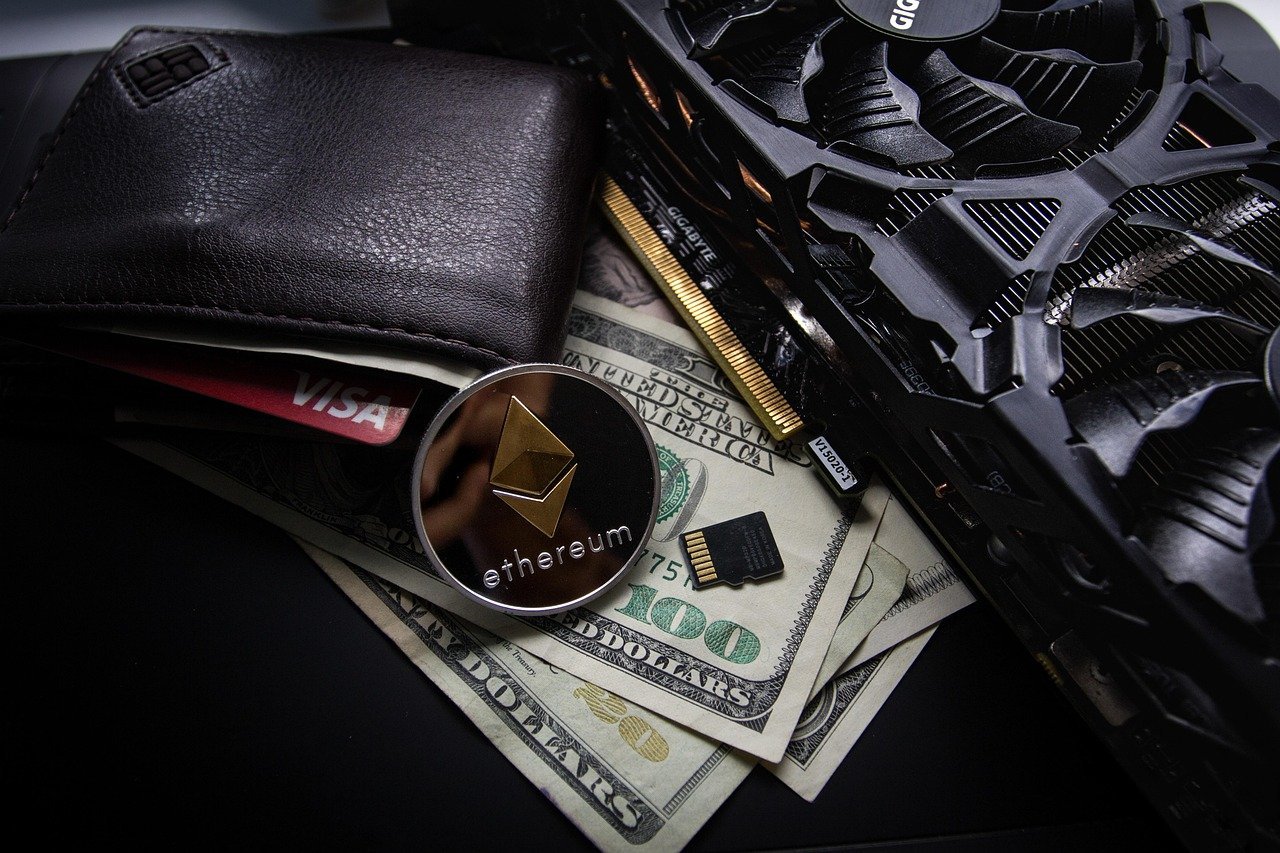
Bitcoin mining is fundamentally an economic activity driven by the pursuit of profit. For a mining operation to be successful, the revenue generated from block rewards and transaction fees must exceed the operational costs. This calculation is surprisingly complex, involving numerous variables that fluctuate over time. Understanding these economic drivers is key to grasping the resilience and incentives behind the Bitcoin network.
The primary revenue streams for miners are the block reward (currently 3.125 BTC per block) and collected transaction fees. On the cost side, the most significant expenses are electricity and hardware. A large-scale mining farm in 2026 could easily consume several megawatts of power, equivalent to a small town. For instance, a facility running 10,000 Antminer S21s (200 TH/s each) would have a total hash rate of 2 Exahash/second. At an average efficiency of 17.5 J/TH, this would equate to roughly 3.5 MW of continuous power consumption. At a power cost of $0.05 per kWh, this would lead to monthly electricity bills exceeding $120,000.
Key Factors Affecting Profitability
- Bitcoin Price: The value of BTC directly impacts the dollar value of the block reward and transaction fees. A higher BTC price makes mining more profitable, attracting more miners.
- Electricity Costs: This is often the largest variable cost. Miners seek out regions with abundant, cheap power, often from renewable sources.
- Hash Rate and Difficulty: As more miners join the network, the total hash rate increases, and the mining difficulty adjusts upwards. This means individual miners have a lower chance of solving a block, requiring more computational power for the same reward.
- Hardware Efficiency: Newer ASICs are more energy-efficient, producing more hashes per watt. Upgrading to the latest hardware is essential to stay competitive.
- Transaction Fees: During periods of high network activity, transaction fees can surge, significantly boosting miner revenue.
Projected Profitability in 2026
Looking ahead to 2026, profitability will continue to be a tight balance. With the block reward at 3.125 BTC, miners will rely more heavily on transaction fees. Analysts predict that if the average BTC price holds above $100,000, and electricity costs remain below $0.06/kWh for industrial operations, then modern ASIC models with efficiencies below 20 J/TH will remain highly profitable. However, older generations of ASICs (e.g., S17 series) may become entirely unprofitable without access to extremely cheap or even free excess renewable energy, driving further consolidation and technological upgrades within the industry. This dynamic highlights the constant innovation required in the realm of cryptocurrency infrastructure.
Joining Forces: Understanding Bitcoin Mining Pools
For most individual miners, especially those without access to industrial-scale hardware and incredibly cheap electricity, solo Bitcoin mining is largely impractical. The probability of an individual miner, even with a few powerful ASICs, finding a block on their own is infinitesimally small given the global hash rate. This is where Bitcoin mining pools come into play, offering a viable path for smaller operations to participate and earn consistent rewards.
A mining pool is a collective of miners who combine their computational power (hash rate) to increase their chances of solving a block. When the pool successfully mines a block, the block reward and transaction fees are distributed among all participating members proportionally to the amount of hash rate each contributed. This ‘strength in numbers’ approach smooths out the highly variable and unpredictable nature of solo mining, providing more frequent and predictable payouts to participants. Prominent mining pools include Foundry USA, F2Pool, and AntPool, which together command a significant portion of the global hash rate.
How Mining Pools Operate
When you join a mining pool, your ASIC hardware communicates with the pool’s server. The pool coordinator breaks down the complex cryptographic puzzle into smaller, more manageable ‘shares’ or ‘work units’ that individual miners can attempt to solve. If a miner finds a valid share, they submit it to the pool, which counts towards the pool’s overall progress. The pool then aggregates all these shares, and once the main block solution is found, the rewards are distributed according to the pool’s chosen payment scheme.
Common Payment Schemes
- Pay-Per-Share (PPS): Miners are paid for each ‘share’ they contribute, regardless of whether the pool actually finds a block. This offers very stable income but typically involves higher pool fees.
- Proportional (PROP): Miners receive a share of the block reward proportional to the number of shares they submitted during a round, but only if the pool successfully finds a block. This is riskier but often has lower fees.
- Full Pay-Per-Share (FPPS): Similar to PPS, but it also includes an estimated share of transaction fees in the payout, offering even higher but less predictable returns.
The choice of pool and payment scheme depends on a miner’s risk tolerance and desired income stability. While pools introduce a slight element of centralization (as you rely on the pool operator), the vast number of independent pools and the ability for miners to switch pools prevent any single pool from exerting undue control over the network. This balance is crucial for maintaining the decentralized nature of blockchain technology.
The Environmental Debate and Future of Bitcoin Mining
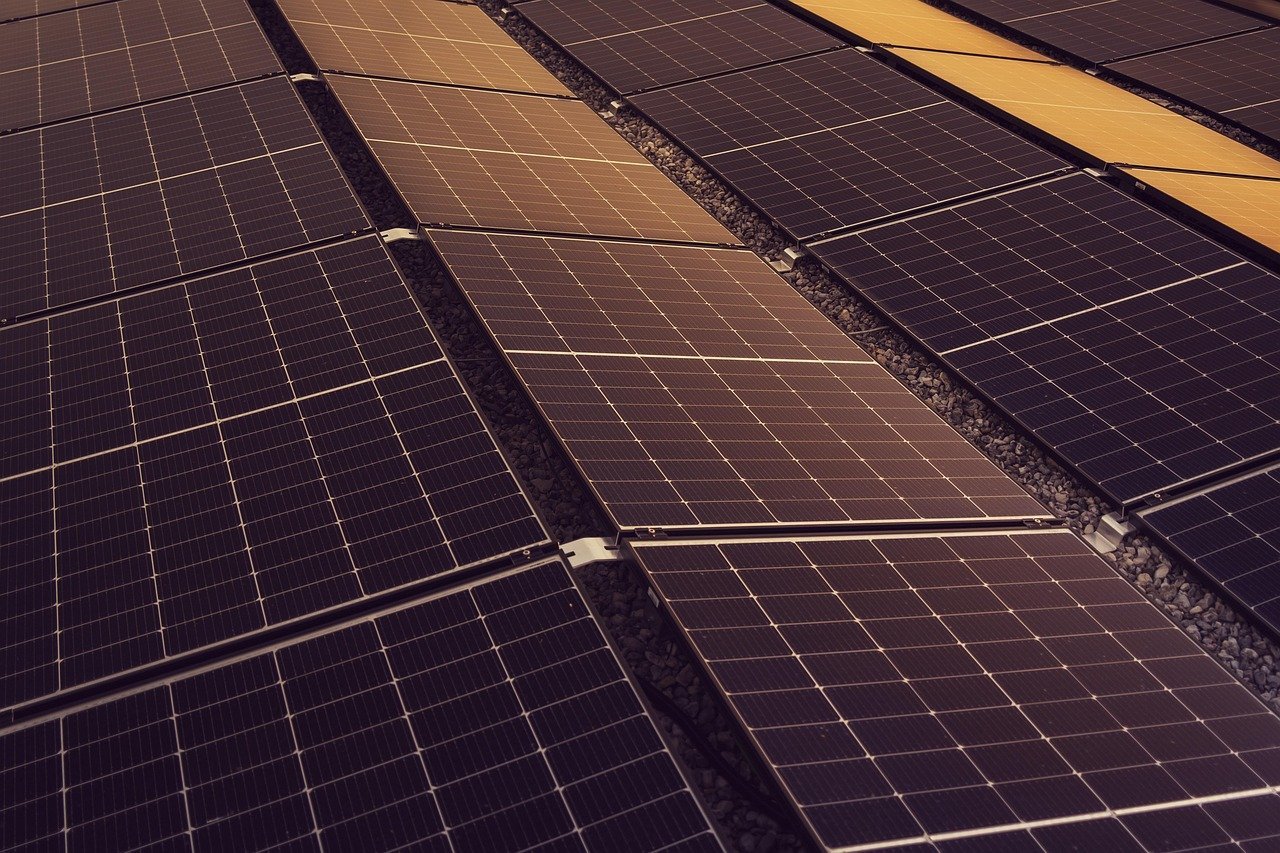
The energy consumption of Bitcoin mining has become one of its most contentious aspects, sparking widespread debate about its environmental footprint. Critics often point to the vast amounts of electricity consumed, comparing it to the energy usage of entire countries. While the figures are substantial, the narrative is often more nuanced than commonly portrayed, with significant advancements and shifts occurring within the industry.
The Cambridge Bitcoin Electricity Consumption Index (CBECI) estimates that the Bitcoin network’s annualized electricity consumption could reach hundreds of terawatt-hours. However, a growing portion of this energy now comes from renewable sources. Reports in 2023 indicated that over 50% of Bitcoin’s energy mix was derived from sustainable sources, and this trend is projected to continue. By 2026, many major mining operations are aiming for 70-80% renewable energy integration, particularly utilizing surplus hydroelectric, solar, and wind power that would otherwise be wasted. For example, in Texas, many miners are using excess wind energy that is intermittently available and cannot always be sent to the grid, turning a stranded asset into productive computing power.
Innovation in Sustainable Mining
The industry is actively pursuing solutions to mitigate its environmental impact. These include:
- Hydroelectric Power: Regions with abundant hydroelectric resources, like parts of Canada and Paraguay, have become attractive hubs for large-scale mining operations due to cheap and clean energy.
- Flare Gas Mining: Miners are increasingly utilizing stranded natural gas that would otherwise be flared (burned off) at oil production sites, converting it into electricity to power ASICs. This not only reduces greenhouse gas emissions but also turns a waste product into profit.
- Heat Reuse: Research and pilot projects are exploring ways to capture and reuse the heat generated by ASICs for district heating, greenhouses, or other industrial processes, enhancing overall energy efficiency.
- Immersion Cooling: Submerging ASICs in non-conductive dielectric fluid significantly improves cooling efficiency, extends hardware lifespan, and can reduce power consumption, leading to more sustainable operations.
The Future Landscape of Bitcoin Mining
Looking towards 2026 and beyond, the trend is clear: mining operations will become even more sophisticated, efficient, and integrated with sustainable energy grids. Governments and regulatory bodies are increasingly demanding transparency on energy sources, pushing miners towards greener practices. This shift is not just environmental but also economic, as renewable energy often represents the cheapest long-term power source. The narrative will likely evolve from simply