
The world of cryptocurrency is often complex, but understanding its underlying economic principles is crucial. This article will explain crypto tokenomics, the foundational design of a digital asset’s economy, including its supply, distribution, and utility. Grasping tokenomics empowers investors and enthusiasts to make informed decisions and better evaluate the long-term viability of blockchain projects. Without sound tokenomics, even innovative technology can fail.
Understanding how a token is created, distributed, and used is as vital as understanding the technology itself. It determines incentive structures, potential for scarcity, and overall ecosystem health. Investors who analyze tokenomics deeply are better equipped to identify sustainable projects from speculative fads.
Key Takeaways
- Tokenomics defines the economic framework of a cryptocurrency, encompassing supply, distribution, and incentive mechanisms.
- It critically influences a token’s value, utility, and overall project sustainability in the long run.
- Key aspects include supply models (inflationary/deflationary), distribution strategies (fair launch, pre-mine), and utility functions (governance, gas fees, staking).
- Sound tokenomics encourages participation, network security, and aligns incentives between users, developers, and investors.
- Evaluating tokenomics helps identify potential red flags and assess a project’s potential for future growth in the crypto landscape.
What is Tokenomics? The Foundation of a Crypto Economy
Tokenomics, a portmanteau of ‘token’ and ‘economics,’ refers to the economic principles governing a cryptocurrency. It encompasses every aspect of a token’s lifecycle, from its initial creation and distribution to its utility, supply mechanics, and incentive structures. Essentially, it’s the blueprint that dictates how a token will behave economically within its native blockchain ecosystem.

A well-designed tokenomics model aims to foster a sustainable and thriving network. It seeks to align the interests of all participants – developers, users, investors, and validators – through carefully crafted incentives. The long-term success of a project often hinges on the robustness and foresight embedded within its tokenomic design.
Supply and Scarcity
One of the most fundamental aspects of tokenomics is a token’s supply. This includes its total supply, circulating supply, and any mechanisms for minting new tokens or burning existing ones. Scarcity is a powerful economic driver, and crypto projects often leverage it to maintain or increase value.
Bitcoin, for example, has a hard cap of 21 million BTC, making it a deflationary asset over time due to its predictable halving schedule. This fixed supply contributes significantly to its store-of-value narrative. In contrast, Ethereum implemented EIP-1559, which burns a portion of transaction fees, reducing the circulating supply and making ETH potentially deflationary under high network usage. Understanding these supply dynamics is crucial for investors.
Distribution Mechanisms
The method by which tokens are initially distributed plays a critical role in decentralization and investor sentiment. Initial Coin Offerings (ICOs), Initial Exchange Offerings (IEOs), and private sales were popular ways for projects to raise capital and distribute tokens to early investors. These methods often involved significant allocations to teams and venture capitalists.
Other distribution models include airdrops, where tokens are freely distributed to existing wallet holders, aiming for broad distribution and community engagement. Mining, as seen with Bitcoin and early Ethereum, is another mechanism where participants secure the network and are rewarded with newly minted tokens. Each method carries different implications for fairness, decentralization, and potential for price volatility.
Understanding Diverse Crypto Tokenomic Models
The crypto space is a hotbed of innovation, leading to a wide array of tokenomic models, each tailored to a project’s specific goals. These models often dictate how value is captured, how participants are incentivized, and the overall economic health of the network. Understanding these distinctions is paramount for anyone navigating the digital asset market.
From stablecoins designed to maintain a peg to governance tokens empowering community decisions, the design choices are vast. The chosen model reflects the project’s philosophy and its intended impact. Investors must look beyond superficial promises and delve into these underlying economic structures to assess viability and risk.
Inflationary vs. Deflationary Models
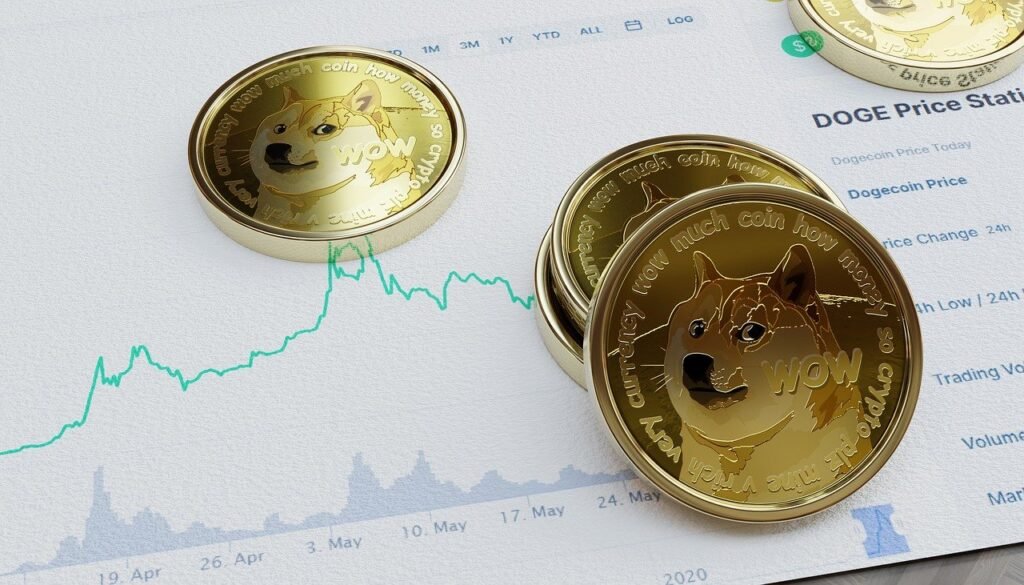
Tokenomic models can largely be categorized as inflationary or deflationary. An inflationary model sees a continuous increase in the total supply of tokens, often through mining rewards or staking incentives. Dogecoin, for instance, has an inflationary model with billions of new DOGE minted annually, primarily to keep transaction fees low and secure the network.
Conversely, a deflationary model involves mechanisms that reduce the total token supply over time, usually through token burns. Binance Coin (BNB) conducts quarterly token burns, removing a percentage of tokens from circulation based on Binance’s trading volume. This design aims to increase scarcity and potentially enhance value. Many projects aim for a balanced approach, where inflation is offset by burn mechanisms, striving for a net-neutral or slightly deflationary effect, especially as networks mature towards 2026.
Utility vs. Governance Tokens
Tokens often serve specific functions within their ecosystems. Utility tokens are designed to provide access to a product or service, or to pay for network fees. Ethereum (ETH) is a prime example; it’s used to pay for ‘gas’ fees required to execute transactions and smart contracts on the Ethereum blockchain. High network usage directly correlates with demand for ETH.
Governance tokens, on the other hand, grant holders voting rights on proposals related to the project’s future development, treasury management, or protocol parameters. Uniswap’s UNI token allows its holders to propose and vote on changes to the Uniswap protocol. Many Decentralized Finance (DeFi) protocols utilize governance tokens to promote decentralization and community-led development. Some tokens blend both utility and governance functions to create a more robust incentive structure.
“The true value of a cryptocurrency often isn’t just in its technological innovation, but in the intelligent design of its economic model, which guides user behavior and secures the network’s future.”
The Role of Incentives in Crypto Tokenomics
Incentives are the lifeblood of any successful blockchain ecosystem. They encourage participation, secure the network, and drive user engagement. Without carefully designed incentive mechanisms, a decentralized network would struggle to attract participants and maintain its operational integrity. These mechanisms are crucial for fostering liquidity, stability, and growth.

Projects use a variety of tools to incentivize desirable behaviors. From rewarding validators for processing transactions to paying users for providing liquidity, these systems ensure that the network remains robust and functional. A deep understanding of these incentives is critical for assessing a project’s long-term viability and potential for adoption. For more insights on digital asset trading, consider exploring our trading guides.
Staking and Yield Farming
Staking involves locking up tokens to support the operations of a proof-of-stake blockchain, for which participants earn rewards. Ethereum 2.0 (now the Beacon Chain) relies on staking, where users lock up ETH to become validators and earn new ETH. This secures the network and provides passive income for stakers.
Yield farming, particularly prevalent in Decentralized Finance (DeFi), involves leveraging various DeFi protocols to generate high returns on crypto assets. Users might deposit assets into liquidity pools on platforms like Aave or Compound to earn interest, alongside additional governance tokens as rewards. These strategies can offer attractive returns but also come with inherent risks, such as impermanent loss and smart contract vulnerabilities.
Liquidity Mining
Liquidity mining is a specific form of yield farming where users provide liquidity to decentralized exchanges (DEXs) like Uniswap or Curve Finance. In return for supplying an equal value of two tokens to a liquidity pool, liquidity providers (LPs) earn a share of the trading fees generated by that pool, and often additional incentive tokens. This mechanism is vital for ensuring sufficient liquidity on DEXs, allowing for efficient trading.
For instance, an LP might deposit ETH and a stablecoin like USDC into a Uniswap pool. They would then earn a percentage of all ETH/USDC trading fees, along with potentially new UNI tokens. This incentivizes users to become market makers, contributing to the overall health and functionality of the DeFi ecosystem. The success of many DeFi protocols is directly tied to their ability to attract and retain liquidity through these mining programs.
Token Distribution Strategies and Their Impact on Value
How a project initially distributes its tokens is a foundational element of its tokenomics. This decision has profound implications for decentralization, price stability, and the long-term alignment of interests among various stakeholders. An equitable distribution can build strong community support, while a highly concentrated one might lead to concerns about market manipulation and centralization. Transparency in these strategies is highly valued by investors.
The choice between different distribution models reflects the project’s philosophy and its approach to growth. Some projects prioritize widespread distribution for decentralization, while others opt for targeted funding from institutional investors to accelerate development. Understanding these initial allocation choices is key to evaluating a token’s potential trajectory and market dynamics.
Fair Launch vs. Pre-mine
A