
Crypto wallet security is a critical aspect of the cryptocurrency ecosystem, as it directly impacts the safety of your digital assets. Crypto Wallet Security is essential to prevent unauthorized access and potential financial losses. The security of your crypto wallet is the first line of defense against hackers and other malicious actors.
Understanding the vulnerabilities associated with crypto wallets is crucial to protecting your investments. According to a report by Chainalysis in 2026, cryptocurrency losses due to hacking and other security breaches have exceeded $1 billion.
Crypto Wallet Security 101: Understanding the Basics
A crypto wallet is a software program that stores, sends, and receives digital currencies. The security of a crypto wallet depends on several factors, including the type of wallet, the strength of the password, and the level of two-factor authentication.
There are several types of crypto wallets, including desktop wallets, mobile wallets, and hardware wallets. Each type of wallet has its own set of security features and vulnerabilities. For example, desktop wallets are more vulnerable to malware and viruses, while mobile wallets are more susceptible to physical theft.
Types of Crypto Wallets
- Desktop wallets: Store private keys on a computer or laptop.
- Mobile wallets: Store private keys on a mobile device.
- Hardware wallets: Store private keys on a separate hardware device.
Crypto Wallet Security Risks: Phishing and Scams
Phishing and scams are common security risks associated with crypto wallets. Phishing attacks involve tricking users into revealing sensitive information, such as passwords or private keys. Scams involve fake investment opportunities or fake wallets that steal user funds.

According to a report by the Federal Trade Commission in 2026, phishing and scams have resulted in over $100 million in losses for cryptocurrency investors.
How to Avoid Phishing and Scams
- Verify the authenticity of a website or email before entering sensitive information.
- Avoid clicking on suspicious links or downloading attachments from unknown sources.
- Use two-factor authentication to add an extra layer of security.
Crypto Wallet Security Best Practices: Password Management
Password management is a critical aspect of crypto wallet security. A strong password should be at least 12 characters long and include a combination of letters, numbers, and special characters.
According to a report by PasswordManager in 2026, over 50% of cryptocurrency users use weak passwords that can be easily hacked.
Password Management Tips
- Use a password manager to generate and store unique, complex passwords.
- Avoid using the same password for multiple accounts.
- Enable two-factor authentication to add an extra layer of security.
Crypto Wallet Security Measures: Two-Factor Authentication
Two-factor authentication (2FA) is a security measure that requires a user to provide two forms of verification before accessing a crypto wallet. 2FA can include a password, a fingerprint, or a code sent to a mobile device.
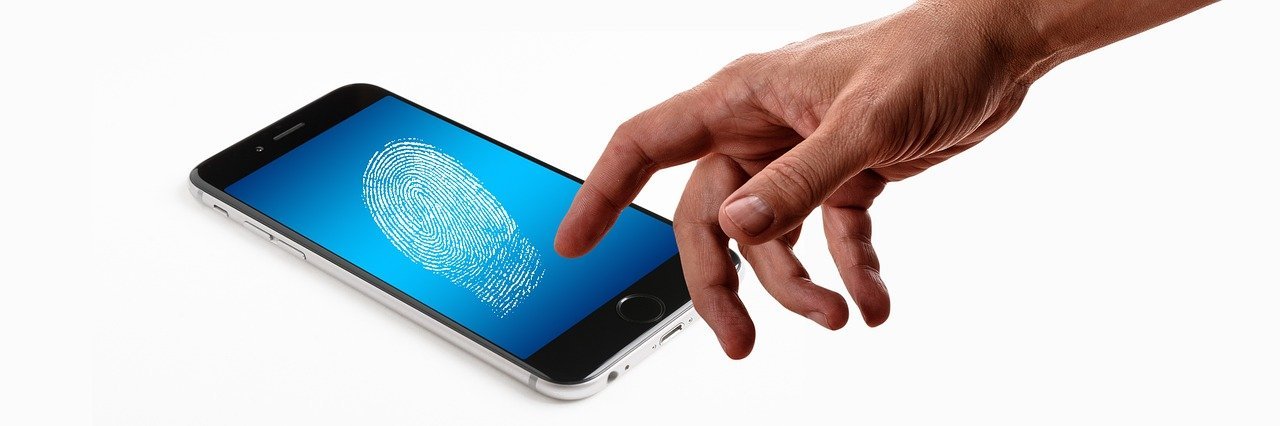
According to a report by Google in 2026, 2FA can reduce the risk of hacking by up to 90%.
Types of 2FA
- SMTP-based 2FA: Sends a code to a user’s email address.
- Authenticator app-based 2FA: Uses an app to generate a code.
- U2F-based 2FA: Uses a physical token to verify identity.
Crypto Wallet Security and Insurance
Crypto wallet security and insurance are critical aspects of protecting your digital assets. Some crypto wallets offer insurance policies that cover losses due to hacking or other security breaches.
According to a report by BitGo in 2026, over 50% of cryptocurrency users are interested in purchasing insurance policies for their crypto wallets.
Types of Insurance Policies
- Theft insurance: Covers losses due to hacking or theft.
- Loss insurance: Covers losses due to accidental loss or damage.
- Business insurance: Covers losses due to business-related activities.
Comparison of Crypto Wallets
| Crypto Wallet | Security Features | Insurance Policy |
|---|---|---|
| Coinbase | 2FA, password protection | Yes |
| Binance | 2FA, password protection, anti-phishing code | No |
| MetaMask | 2FA, password protection, seed phrase backup | No |
Crypto wallet security is a shared responsibility between the user and the wallet provider. By understanding the vulnerabilities associated with crypto wallets and taking steps to protect your digital assets, you can reduce the risk of hacking and other security breaches.
Key Takeaways
- Crypto wallet security is essential to protecting your digital assets.
- Understanding the vulnerabilities associated with crypto wallets is crucial to protecting your investments.
- Two-factor authentication and password management are critical aspects of crypto wallet security.
- Insurance policies can provide an added layer of protection against losses due to hacking or other security breaches.
- Crypto wallet security is a shared responsibility between the user and the wallet provider.
Crypto Wallet Security: Next Steps
To improve the security of your crypto wallet, take the following steps:
- Enable two-factor authentication.
- Use a strong, unique password for your crypto wallet.
- Keep your crypto wallet software up to date.
- Monitor your account activity regularly.
- Consider purchasing an insurance policy to protect your digital assets.
Frequently Asked Questions
What is a crypto wallet?
A crypto wallet is a software program that stores, sends, and receives digital currencies.
How do I protect my crypto wallet from hackers?
To protect your crypto wallet from hackers, enable two-factor authentication, use a strong, unique password, and keep your crypto wallet software up to date.
What is two-factor authentication?
Two-factor authentication is a security measure that requires a user to provide two forms of verification before accessing a crypto wallet.
Can I purchase insurance for my crypto wallet?
Yes, some crypto wallets offer insurance policies that cover losses due to hacking or other security breaches.
How do I choose a secure crypto wallet?
To choose a secure crypto wallet, research the wallet’s security features, read reviews from other users, and consider the wallet’s reputation and track record.
Conclusion
In conclusion, crypto wallet security is a critical aspect of the cryptocurrency ecosystem. By understanding the vulnerabilities associated with crypto wallets and taking steps to protect your digital assets, you can reduce the risk of hacking and other security breaches. Remember to enable two-factor authentication, use a strong, unique password, and keep your crypto wallet software up to date. Consider purchasing an insurance policy to provide an added layer of protection against losses due to hacking or other security breaches.
Learn more about crypto wallet security and other cryptocurrency topics by visiting our bitcoin archives or cryptocurrency archives. You can also visit Investopedia for more information on cryptocurrency and crypto wallet security.