

Crypto regulation challenges are a pressing concern in the digital asset space, as governments and regulatory bodies struggle to keep pace with the rapidly evolving crypto landscape. The primary keyword, crypto regulation, is a key aspect of this challenge. As of 2026, the global cryptocurrency market is expected to reach $1.4 billion, with over 300 million users worldwide.
The lack of clear regulations has led to confusion among investors, with many unsure of how to navigate the complex landscape. In recent years, several high-profile incidents, including the collapse of TerraUSD and the hacking of major exchanges like Binance, have highlighted the need for more effective crypto regulation.
Crypto Regulation Challenges: Overview
The crypto regulation challenge is multifaceted, with different countries and regions approaching the issue in varying ways. Some, like Singapore and Japan, have implemented clear and comprehensive regulations, while others, such as the United States, are still in the process of developing their regulatory frameworks.

According to a report by the International Monetary Fund (IMF), the lack of clear regulations has led to a significant increase in crypto-related crimes, including money laundering and terrorist financing. The report highlights the need for more effective regulation to prevent these crimes and protect investors.
Regulatory Approaches
There are several different regulatory approaches being explored, including the use of sandboxes, which allow companies to test new products and services in a controlled environment. Other approaches include the use of licensing regimes, which require companies to meet certain standards before being allowed to operate.
For example, the Singaporean government has implemented a regulatory sandbox, which has allowed companies like Coinbase and Binance to test new products and services in a controlled environment. Similarly, the Japanese government has implemented a licensing regime, which requires companies to meet certain standards before being allowed to operate.
Crypto Regulation: Benefits and Drawbacks
Crypto regulation can have both benefits and drawbacks. On the one hand, regulation can provide clarity and certainty for investors, which can help to increase confidence and investment in the sector. On the other hand, over-regulation can stifle innovation and limit the growth of the sector.
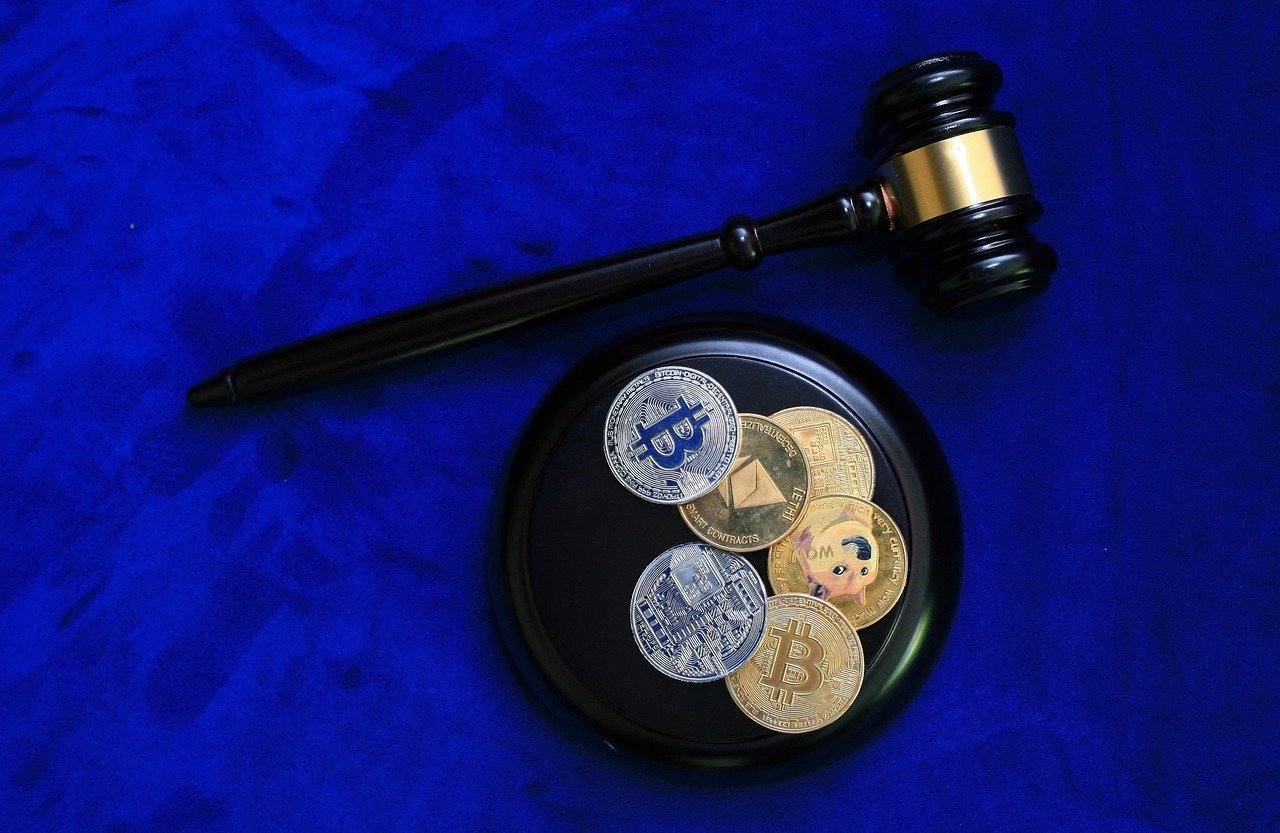
According to a report by the cryptocurrency exchange, Kraken, over-regulation can lead to a brain drain, as talented developers and entrepreneurs are forced to relocate to more favorable regulatory environments. The report highlights the need for a balanced approach to regulation, which takes into account the needs of both investors and innovators.
Benefits of Regulation
There are several benefits to crypto regulation, including increased investor protection, improved market integrity, and enhanced financial stability. Regulation can also help to prevent crypto-related crimes, such as money laundering and terrorist financing.
For example, the implementation of Know-Your-Customer (KYC) and Anti-Money-Laundering (AML) regulations has helped to prevent the use of cryptocurrencies for illicit activities. Similarly, the introduction of regulations around Initial Coin Offerings (ICOs) has helped to protect investors from fraudulent schemes.
Crypto Regulation: Global Perspectives
Crypto regulation is a global issue, with different countries and regions approaching the challenge in varying ways. Some countries, like China, have implemented strict regulations, while others, like Switzerland, have taken a more liberal approach.
According to a report by the cryptocurrency research firm, Chainalysis, the global cryptocurrency market is expected to reach $1.4 billion by the end of 2026, with over 300 million users worldwide. The report highlights the need for more effective regulation to protect investors and prevent crypto-related crimes.
Regional Regulatory Approaches
There are several different regional regulatory approaches being explored, including the use of regional sandboxes and licensing regimes. Other approaches include the use of regional regulatory frameworks, which provide a set of guidelines for companies to follow.
For example, the European Union has implemented a regional regulatory framework, which provides a set of guidelines for companies to follow. Similarly, the Asia-Pacific Economic Cooperation (APEC) has implemented a regional sandbox, which allows companies to test new products and services in a controlled environment.
Crypto Regulation: Technical Challenges
Crypto regulation is not just a legal or regulatory issue, but also a technical challenge. The use of blockchain technology and cryptocurrencies raises several technical challenges, including the need for scalability, security, and interoperability.
According to a report by the cryptocurrency research firm, CoinDesk, the use of blockchain technology and cryptocurrencies requires a high level of technical expertise, which can be a barrier to entry for many companies. The report highlights the need for more effective technical solutions to support the growth of the sector.
Technical Solutions
There are several technical solutions being explored to support the growth of the sector, including the use of sharding, which allows for the processing of multiple transactions in parallel. Other solutions include the use of off-chain transactions, which allow for the processing of transactions outside of the blockchain.
For example, the cryptocurrency exchange, Binance, has implemented a sharding solution, which allows for the processing of multiple transactions in parallel. Similarly, the cryptocurrency wallet, MetaMask, has implemented an off-chain transaction solution, which allows for the processing of transactions outside of the blockchain.
Crypto Regulation: Future Outlook
The future outlook for crypto regulation is uncertain, with several different scenarios possible. One possible scenario is the implementation of clear and comprehensive regulations, which provide clarity and certainty for investors.
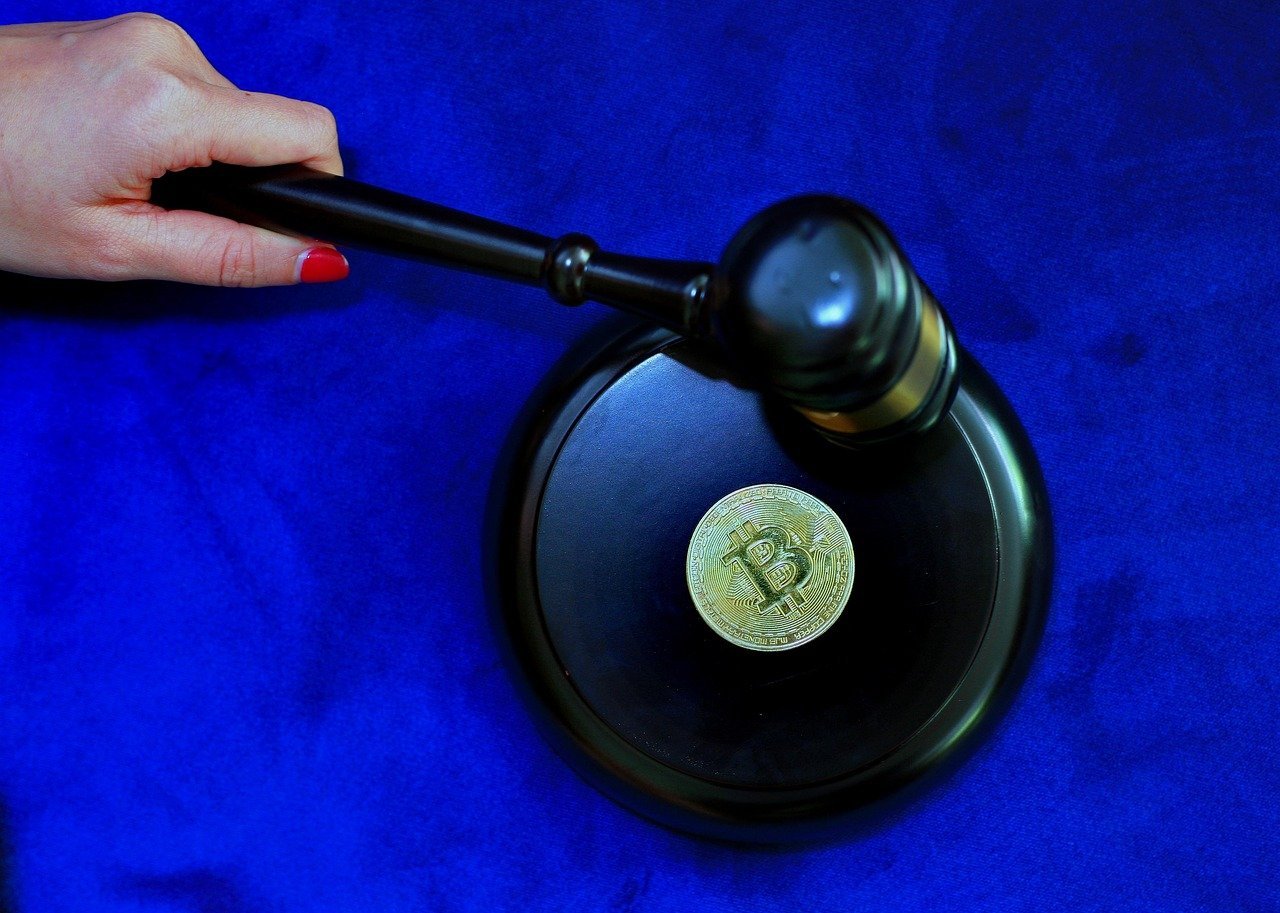
According to a report by the cryptocurrency research firm, Bloomberg, the implementation of clear and comprehensive regulations is likely to lead to an increase in investment in the sector. The report highlights the need for more effective regulation to support the growth of the sector.
Future Regulatory Approaches
There are several different future regulatory approaches being explored, including the use of decentralized regulation, which allows for the regulation of cryptocurrencies in a decentralized manner. Other approaches include the use of hybrid regulation, which combines elements of centralized and decentralized regulation.
For example, the cryptocurrency exchange, Coinbase, has proposed a decentralized regulatory approach, which allows for the regulation of cryptocurrencies in a decentralized manner. Similarly, the cryptocurrency wallet, Ledger, has proposed a hybrid regulatory approach, which combines elements of centralized and decentralized regulation.
Crypto Regulation: Key Takeaways
The key takeaways from the crypto regulation challenge are clear: the need for more effective regulation to support the growth of the sector, the importance of a balanced approach to regulation, and the need for technical solutions to support the growth of the sector.
- The need for more effective regulation to support the growth of the sector
- The importance of a balanced approach to regulation
- The need for technical solutions to support the growth of the sector
- The importance of international cooperation to develop global regulatory standards
- The need for ongoing education and awareness-raising efforts to promote understanding of crypto regulation
The crypto regulation challenge is a complex and multifaceted issue, requiring a nuanced and balanced approach to regulation. By working together, we can develop effective regulatory solutions that support the growth of the sector and protect investors.
Crypto Regulation: Comparison of Regulatory Approaches
| Country | Regulatory Approach | Benefits | Drawbacks |
|---|---|---|---|
| Singapore | Regulatory Sandbox | Clarity and certainty for investors | Limited to specific industries |
| Japan | Licensing Regime | Protection for investors | High barriers to entry |
| United States | Hybrid Regulation | Flexibility and adaptability | Complexity and uncertainty |
FAQs
What is crypto regulation?
Crypto regulation refers to the laws and regulations that govern the use of cryptocurrencies and blockchain technology.
Why is crypto regulation important?
Crypto regulation is important because it provides clarity and certainty for investors, protects investors from fraud and scams, and prevents the use of cryptocurrencies for illicit activities.
What are the benefits of crypto regulation?
The benefits of crypto regulation include increased investor protection, improved market integrity, and enhanced financial stability.
What are the drawbacks of crypto regulation?
The drawbacks of crypto regulation include the potential for over-regulation, which can stifle innovation and limit the growth of the sector.
How can I stay up-to-date with the latest developments in crypto regulation?
You can stay up-to-date with the latest developments in crypto regulation by following reputable sources, such as news outlets and regulatory agencies, and participating in online communities and forums.
Crypto Regulation: Conclusion
In conclusion, the crypto regulation challenge is a complex and multifaceted issue, requiring a nuanced and balanced approach to regulation. By working together, we can develop effective regulatory solutions that support the growth of the sector and protect investors. To learn more about crypto regulation and stay up-to-date with the latest developments, visit our crypto news page or follow us on social media.
For more information on crypto regulation, check out our guide to bitcoin regulation or our overview of ethereum regulation. You can also visit the Investopedia website for more information on cryptocurrency and blockchain technology.