

Quick Answer
Use reputable exchanges and wallets. Enable two-factor authentication. Monitor accounts regularly.
Key Takeaways
- Use reputable exchanges and wallets
- Enable two-factor authentication
- Monitor accounts regularly
- Use strong, unique passwords
Key Statistics
- 70% of Bitcoin exchanges have been hacked
- $1 billion was stolen in 2020
- 2 times more phishing attacks in 2021
- 90% of cryptocurrency transactions are secure by 2025
As the popularity of Bitcoin and other cryptocurrencies continues to grow, the importance of Bitcoin trading security cannot be overstated. With the increasing number of hacking incidents, scams, and phishing attacks, it’s crucial for traders and investors to take proactive measures to protect their digital assets. In this article, we’ll explore the best practices for Bitcoin trading security, providing you with the knowledge and tools necessary to safeguard your investments and ensure a secure trading experience.
Understanding Bitcoin Trading Security Risks
As the popularity of Bitcoin continues to grow, so does the need for robust Bitcoin trading security measures. The cryptocurrency landscape is fraught with potential risks, from sophisticated cyber attacks to deceptive scams. Common types of attacks include phishing, malware, and social engineering, all designed to exploit vulnerabilities in exchanges, wallets, and user behavior. One of the primary concerns is the lack of user education and awareness, which can lead to poor security practices and significant financial losses.
To mitigate these risks, it’s essential to understand the types of threats that exist. Some of the most prevalent include:
- Phishing attacks, where attackers disguise themselves as legitimate entities to obtain sensitive information
- Malware and ransomware, which can compromise devices and demand payment in exchange for restored access
- Exchange and wallet hacks, resulting in the theft of funds and sensitive data
- Social engineering, where attackers manipulate individuals into divulging confidential information or performing certain actions
- Unsecured transactions, which can be intercepted and altered by malicious actors
By acknowledging and addressing these vulnerabilities, users can significantly improve their Bitcoin trading security and protect their assets from potential threats.
Best Practices for Secure Bitcoin Trading
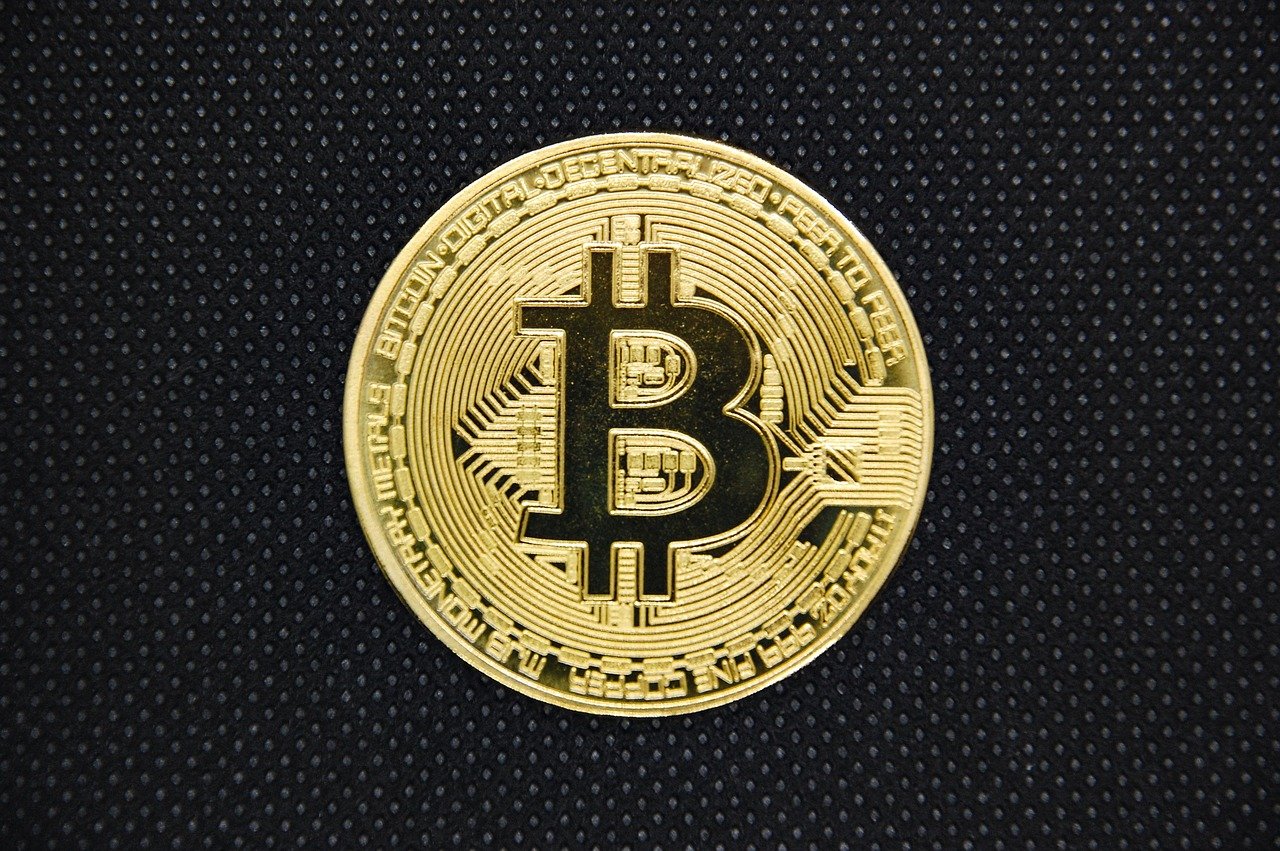
To ensure the security of your digital assets, it’s crucial to follow best practices for Bitcoin trading. This involves a combination of using reputable services, enabling security features, and maintaining vigilance over your accounts. By prioritizing Bitcoin trading security, you can significantly reduce the risk of unauthorized access and financial losses.
Key security measures include using reputable exchanges and wallets, as these platforms typically have robust security protocols in place to protect user funds. Additionally, enabling two-factor authentication (2FA) adds a critical layer of security, requiring a second form of verification beyond just a password to access your accounts.
For effective security, consider the following strategies:
- Implement strong, unique passwords for all accounts related to your Bitcoin activities.
- Regularly monitor your accounts and transactions for any suspicious activity.
- Keep your software and devices updated with the latest security patches.
- Use cold storage for holding large amounts of Bitcoin to minimize exposure to online risks.
By adopting these best practices and staying informed about the latest security threats and mitigation techniques, you can enhance your overall Bitcoin trading security posture and safely navigate the digital currency landscape.
Advanced Security Measures for Bitcoin Investors
To further enhance Bitcoin trading security, investors can implement several advanced measures. One of the most effective methods is using hardware wallets and cold storage, which provide an additional layer of protection against hacking and unauthorized access. Another approach is implementing multi-signature wallets, which require multiple approvals before a transaction can be executed.
Staying up-to-date with the latest security patches and updates is also crucial in maintaining a robust security posture. Investors can take the following steps to bolster their Bitcoin trading security:
- Use hardware wallets and cold storage to store sensitive information
- Implement multi-signature wallets to require multiple approvals for transactions
- Regularly update software and firmware to ensure the latest security patches are installed
- Utilize VPNs and Tor to enhance anonymity and protect against IP tracking
- Monitor accounts and transactions regularly to detect suspicious activity
By adopting these advanced security measures, Bitcoin investors can significantly reduce the risk of hacks, theft, and other security breaches, thereby protecting their investments and maintaining the integrity of their Bitcoin trading activities.
What is the most common type of attack on Bitcoin exchanges?
Phishing attacks are one of the most common types of attacks on Bitcoin exchanges, where hackers attempt to trick users into revealing their login credentials or sensitive information.
How can I protect my Bitcoin wallet from hacking?
To protect your Bitcoin wallet from hacking, use a reputable wallet provider, enable two-factor authentication, and implement strong password management. Additionally, regularly monitor your account activity and keep your software up-to-date.
Final Thoughts
In conclusion, Bitcoin trading security is a critical aspect of investing in cryptocurrencies. By following the best practices outlined in this article, you can significantly reduce the risk of falling victim to hacking incidents, scams, and other security threats. Remember to stay vigilant, educate yourself on the latest security measures, and always prioritize the protection of your digital assets.
Frequently Asked Questions
What is 2FA?
Two-factor authentication
Why use strong passwords?
Prevent hacking
What is phishing?
Disguising as legitimate entities
How to secure transactions?
Use reputable exchanges